
Concrete Coatings and Painting in El Paso, TX
Coating and painting concrete in El Paso is a chemistry problem before it's an application problem. The alkaline mineral content in Chihuahuan Desert caliche pushes moisture-vapor emission and slab pH higher than coating manufacturers assume in their standard application charts, and a standard epoxy applied without a vapor-emission test and an alkalinity-tolerant primer will delaminate within a year or two on a slab-on-grade with no vapor barrier underneath — a common condition on older El Paso industrial buildings built before vapor retarders were standard practice. Concrete Contractors of El Paso runs calcium chloride or relative humidity probe testing before specifying an interior floor coating system, and we adjust primer selection accordingly rather than defaulting to whatever system is cheapest per square foot. On exterior work — tilt-wall panels, precast facades, exposed structural concrete — the UV exposure that defines El Paso's climate (297-plus sunny days a year at 3,800-plus feet elevation) degrades standard acrylic sealers within a few seasons, so we specify UV-stable elastomeric or silane-siloxane penetrating sealers depending on whether the owner wants a color-change finish or an invisible water-repellent treatment. Warehouse and distribution floor coating work follows the traffic profile: broadcast-flake epoxy or polyaspartic systems for high-abrasion forklift traffic, chemical-resistant urethane topcoats for food-processing and cold-storage washdown zones, and moisture-tolerant systems for below-grade or slab-on-grade areas where a vapor barrier was never installed.
The single most common coating failure Concrete Contractors of El Paso gets called to fix is delamination caused by moisture-vapor emission that nobody tested for before the first coat went down. El Paso's caliche-influenced soils and alkaline groundwater chemistry push slab pH and vapor drive higher than a coating manufacturer's generic application chart assumes, and older industrial buildings built without a vapor retarder under the slab are especially vulnerable — a standard epoxy applied without a calcium chloride or relative humidity test will bubble and peel within a year or two on those floors. We test before we specify, every time, and we adjust primer chemistry to match what the slab is actually doing rather than what a spec sheet assumes.
Exterior coating and sealing work follows a different failure mode: UV degradation rather than moisture drive. Standard acrylic sealers on tilt-wall panels and exposed structural concrete break down within a few seasons under El Paso's sun exposure, so owners who want a lasting exterior finish need UV-stable elastomeric coatings or penetrating silane-siloxane sealers rather than the acrylic products that dominate lower-cost coating menus. We specify based on what the owner actually wants — a color-change architectural finish versus an invisible water-repellent treatment — and we're direct about which systems will need recoating on a shorter cycle in this climate versus which ones are built for the desert exposure from the start.
Project Context and Delivery Priorities
In El Paso, concrete coatings and painting projects usually succeed when preconstruction, field access, and turnover planning are treated as one sequence instead of disconnected tasks. We stay close to the owner, design team, and key trades from the earliest scope conversations so the delivery plan reflects the real site constraints, the expected handoff dates, and the operational pressure that often comes with commercial work in the Borderplex.
Before mobilization, we look at permits, utility windows, haul routes, staging needs, and any overlaps with active operations or neighboring development. That matters in El Paso because many sites combine tight access, weather exposure, and multiple jurisdictional touchpoints. The goal is not only to start work quickly, but to start in a way that protects productivity after the first trade arrives on site.
Once work is underway, the emphasis shifts to sequencing and accountability. We track the work by milestone, keep communication practical, and make sure each handoff leaves the next crew with a clean path forward. That approach helps owners avoid the slow drift that can happen when field decisions, submittals, and change coordination are left to accumulate until the end of the job.
As the project closes out, we focus on punch resolution, documentation, and operational readiness. For owners and facility teams, the best handoff is one that explains what was built, how the systems were coordinated, and what should be watched during the first months after turnover. That is the standard we try to maintain on every concrete coatings and painting assignment.
Scope Coverage
- Moisture-vapor emission and pH testing before coating specification on slab-on-grade and below-grade concrete
- Broadcast-flake epoxy and polyaspartic floor systems sized to forklift and pedestrian traffic loads
- UV-stable elastomeric and penetrating sealers for exterior tilt-wall panels and exposed structural concrete
- Chemical-resistant urethane topcoats for food-processing, cold-storage, and washdown-zone flooring
The scope above is most effective when it is structured for the specific end use of the building, the access constraints on the site, and the owner's expected turnover window. We use those priorities to keep the work aligned with the build instead of treating each task as a standalone event.
Delivery Process
- Moisture and pH testing with primer and system selection matched to actual slab conditions, not a generic chart
- Surface preparation by shot-blast or diamond grind to the profile the coating manufacturer requires
- Primer, base coat, and topcoat application with cure-time scheduling around desert temperature swings
- Post-application inspection and warranty documentation delivered to the owner or facility manager
During delivery, we keep an eye on the items that usually create the most friction: submittal timing, trade stacking, access changes, material lead times, and inspection readiness. Keeping those issues visible early makes the schedule easier to protect later.
Why Choose Us
- Moisture-vapor and pH testing before every interior coating specification, not a generic application chart
- UV-stable exterior systems specified for El Paso's sun exposure instead of standard acrylic sealers that fail early
- Traffic-load-matched floor systems for warehouse, food-processing, and cold-storage environments
Typical Timeline
Interior floor coating: 3–7 days including surface prep, moisture testing, and cure between coats. Exterior sealing: 2–4 days per building face depending on square footage and access.
Planning Notes For Owners and Operators
Scope clarity matters early because concrete coatings and painting work often affects downstream trades, equipment placement, and opening dates.
The strongest schedules come from realistic phasing, not optimistic assumptions about how quickly all crews can move through the same space.
If the project touches multiple jurisdictions or corridor access points, we map those dependencies before the first field activity begins.
Owners usually benefit from early procurement checks on reinforcing steel, embeds, specialty concrete mixes, and any finish requirements that could change curing or turnover timing.
When a site stays active during construction, we also plan around access separation, safety controls, and the order in which areas can realistically be released back to operations.
Coordination That Protects Turnover
The strongest concrete coatings and painting deliveries in El Paso are the ones that account for owner operations long before the last punch walk. We keep closeout, access restoration, and documentation in view throughout the job so final turnover does not feel like a separate phase that starts after the work is already complete.
Service Area Alignment
We provide concrete coatings and painting support in El Paso, TX, and nearby Texas and New Mexico markets where schedule control and concrete quality are essential.
Concrete Coatings and Painting FAQs
We test for it before we apply anything. A calcium chloride or relative humidity probe test tells us the actual moisture-vapor emission rate coming through the slab, and a pH test tells us whether the alkaline mineral content typical of El Paso's caliche-influenced soils is elevated enough to attack a standard epoxy primer. If either test comes back outside the coating manufacturer's tolerance — which happens often on older buildings without a vapor barrier under the slab — we specify a moisture-tolerant primer system instead of proceeding with a standard system that's likely to bubble and peel within a year or two.
Standard acrylic sealers are the cheapest option but break down within a few seasons under El Paso's UV exposure. Penetrating silane-siloxane sealers soak into the concrete and repel water without changing the panel's appearance, and they hold up significantly longer in this climate because there's no surface film for UV to degrade. UV-stable elastomeric coatings are the option for owners who want a color-change architectural finish rather than an invisible treatment — they cost more than a penetrating sealer but are formulated to resist the UV breakdown that kills standard acrylic products here.
Related Service Pages
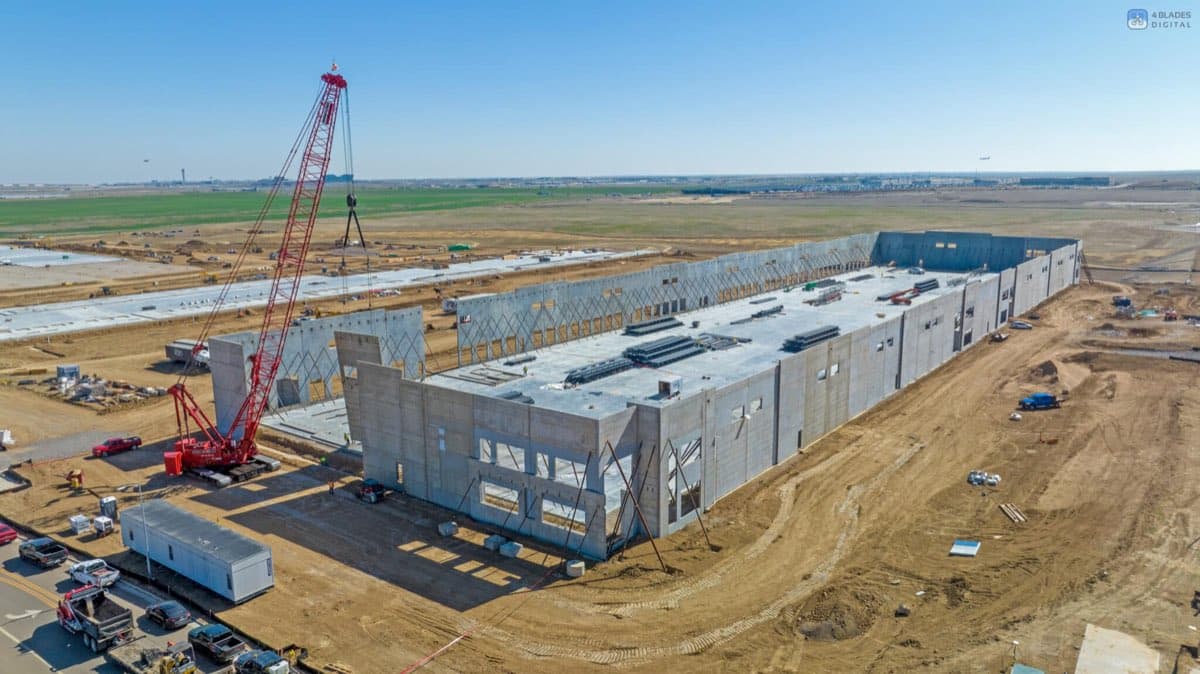
Tilt-Wall Construction
Engineered tilt-wall shells for distribution, maquila-support, and industrial facilities across the Borderplex — poured on caliche-stabilized beds and stood in El Paso's low-humidity desert air.
Open Service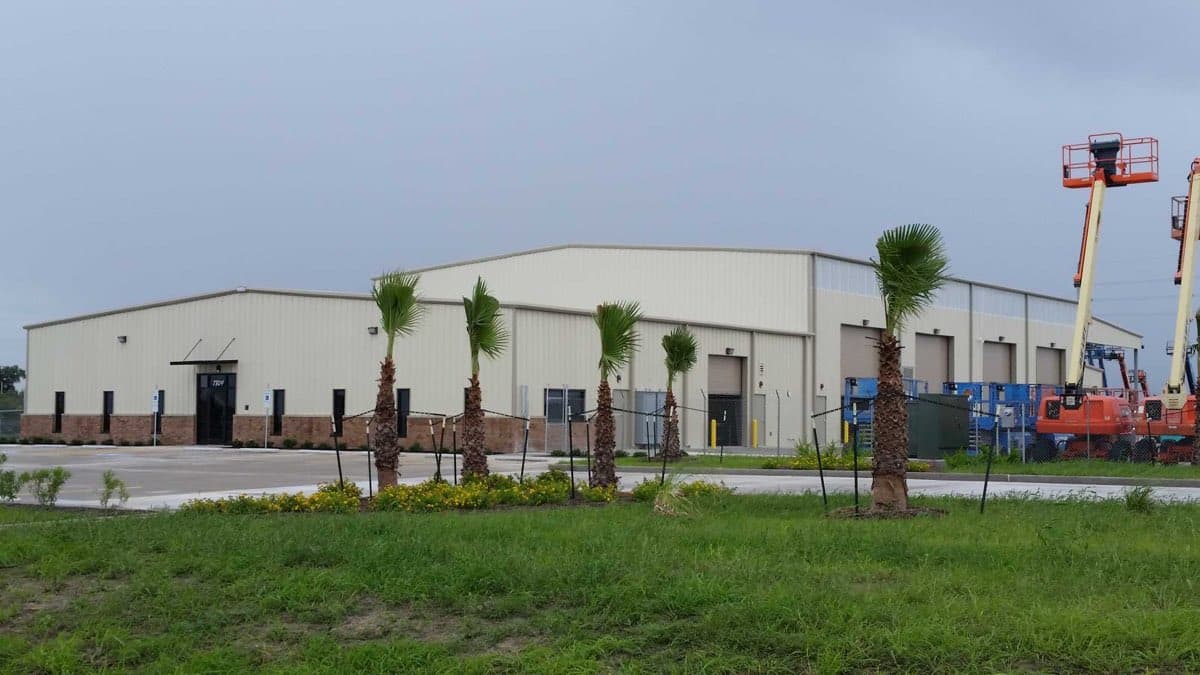
Warehouse Construction
Ground-up and expansion warehouse builds designed for BNSF/UP intermodal connectivity, Cd. Juárez maquila supply chains, and the El Paso/Santa Teresa logistics corridor.
Open Service
Industrial Construction
Industrial facility construction for maquiladora-support manufacturing, Fort Bliss defense logistics, and Borderplex process environments where sequencing and safety compliance are non-negotiable.
Open Service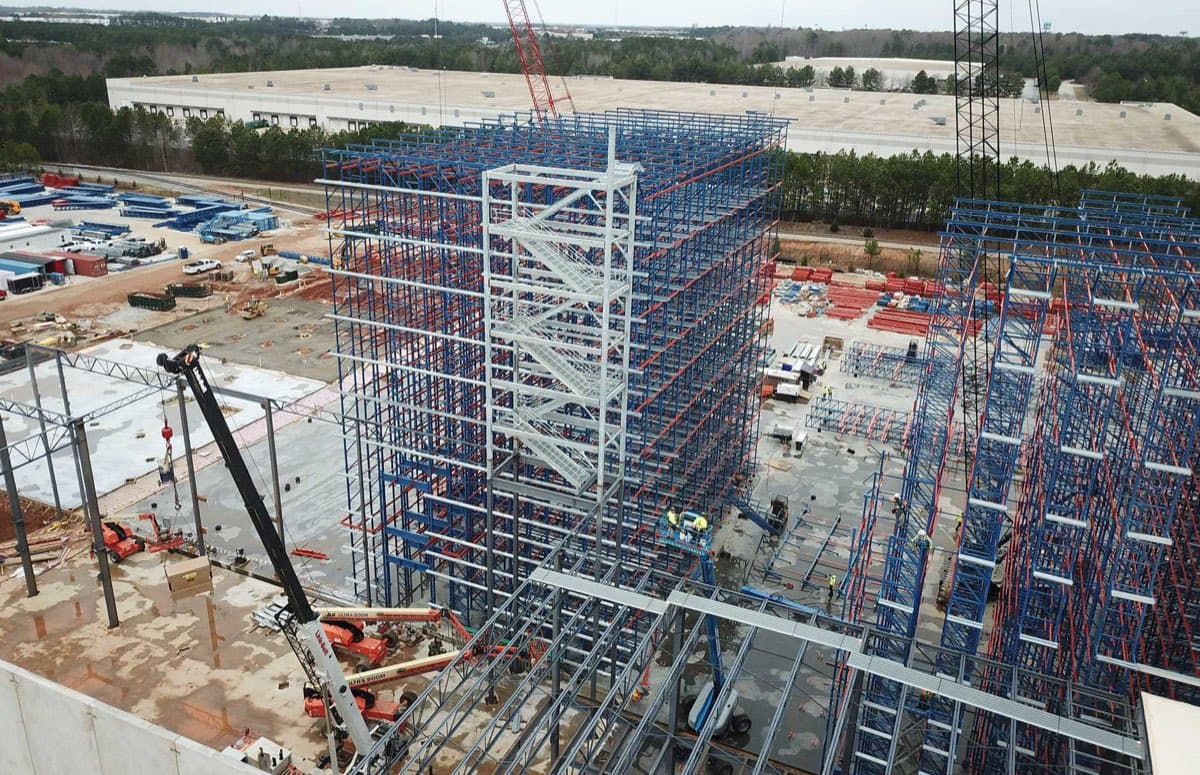
Commercial Construction
Commercial general contracting for El Paso's Sun City corridor — from UTEP-adjacent medical office to West El Paso mixed-use redevelopment — with concrete expertise at the foundation of every scope.
Open Service