
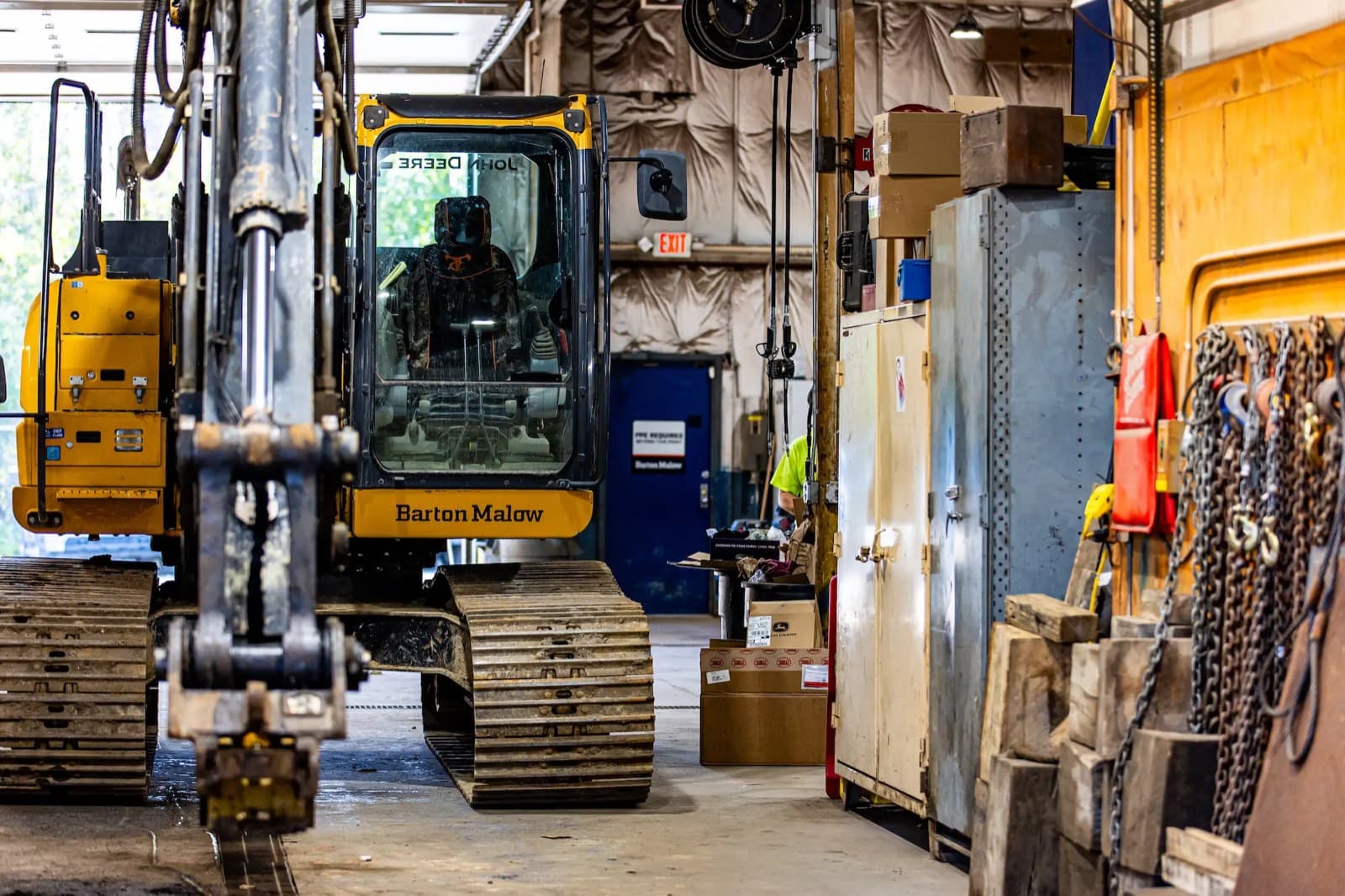
Industrial Construction in El Paso, TX
Industrial construction in El Paso spans two countries in practice. Our clients include maquila-support manufacturers who ship finished sub-assemblies across the Córdova Bridge, defense-related suppliers adjacent to Fort Bliss — the largest US Army installation by land area — and UTEP-anchored research park tenants who need lab-grade floors and specialty mechanical coordination. The soil profile under industrial sites from Horizon City to Santa Teresa is predominantly caliche-over-alluvial fill: mechanically stable but highly alkaline, which demands sulfate-resistant concrete mixes and engineered drainage to prevent sulfate attack on slab undersides over time. Concrete Contractors of El Paso builds industrial facilities with the phasing discipline those environments require — shutdown windows planned around production schedules, anchor bolt templates set to dimensional control standards that match OEM equipment, and structural concrete coordinated with process MEP so installation windows stay intact after turnover.
Industrial construction in the Borderplex means building for two economic realities simultaneously. On one side, Fort Bliss — the largest US Army installation by land area, with over 1.1 million acres of training range and a major installation footprint in Northeast El Paso — generates consistent demand for defense-supply manufacturing facilities, maintenance depots, and logistics support buildings with specific access, documentation, and security coordination requirements. On the other side, the maquila ecosystem across the international boundary in Cd. Juárez and Chihuahua generates demand for precision manufacturing shells, assembly facilities, and logistics staging buildings that need to meet OEM quality standards from Tier-1 automotive and aerospace suppliers. Concrete Contractors of El Paso builds industrial facilities that serve both markets with the technical precision those environments demand — equipment pad anchor bolt tolerances held to OEM specifications, production bay slab flatness held to the levels that maquila assembly equipment requires, and structural concrete coordinated with process mechanical teams who may be receiving specifications from engineers in Cd. Juárez, Monterrey, or Detroit.
The soil conditions under El Paso industrial sites add a technical layer that shapes every concrete decision. Caliche is present in varying depths across Horizon City, Mission Valley, East El Paso, and Socorro — and its alkalinity, combined with naturally occurring sulfates in alluvial deposits near the Rio Grande, creates a corrosive environment for standard portland cement in below-grade applications. We specify sulfate-resistant cement as standard practice on industrial foundation scopes, document the soil sulfate level from the geotechnical report before finalizing mix designs, and coordinate drainage design to prevent sulfate-bearing water from accumulating against slab undersides. Our industrial concrete teams include bilingual superintendents who can coordinate directly with Spanish-first trade contractors, maquila equipment vendors, and Cd. Juárez process engineers without losing technical accuracy in translation.
Project Context and Delivery Priorities
In El Paso, industrial construction projects usually succeed when preconstruction, field access, and turnover planning are treated as one sequence instead of disconnected tasks. We stay close to the owner, design team, and key trades from the earliest scope conversations so the delivery plan reflects the real site constraints, the expected handoff dates, and the operational pressure that often comes with commercial work in the Borderplex.
Before mobilization, we look at permits, utility windows, haul routes, staging needs, and any overlaps with active operations or neighboring development. That matters in El Paso because many sites combine tight access, weather exposure, and multiple jurisdictional touchpoints. The goal is not only to start work quickly, but to start in a way that protects productivity after the first trade arrives on site.
Once work is underway, the emphasis shifts to sequencing and accountability. We track the work by milestone, keep communication practical, and make sure each handoff leaves the next crew with a clean path forward. That approach helps owners avoid the slow drift that can happen when field decisions, submittals, and change coordination are left to accumulate until the end of the job.
As the project closes out, we focus on punch resolution, documentation, and operational readiness. For owners and facility teams, the best handoff is one that explains what was built, how the systems were coordinated, and what should be watched during the first months after turnover. That is the standard we try to maintain on every industrial construction assignment.
Scope Coverage
- Production bay slabs, equipment pads, and sulfate-resistant foundation systems
- Process utility distribution corridors and trench drain integration
- Structural framing and enclosure work coordinated with Fort Bliss contractor access requirements
- Shutdown-sensitive work planning for active maquila-support campuses
The scope above is most effective when it is structured for the specific end use of the building, the access constraints on the site, and the owner's expected turnover window. We use those priorities to keep the work aligned with the build instead of treating each task as a standalone event.
Delivery Process
- Risk mapping and workface planning before procurement begins
- Trade partner onboarding with bilingual safety orientation materials
- Daily production tracking with look-ahead adjustments and owner-facing reporting
- Turnover documentation in English and Spanish for binational operations teams
During delivery, we keep an eye on the items that usually create the most friction: submittal timing, trade stacking, access changes, material lead times, and inspection readiness. Keeping those issues visible early makes the schedule easier to protect later.
Why Choose Us
- Dual-market experience serving both Fort Bliss defense-supply and Cd. Juárez maquila-affiliated manufacturers
- Sulfate-resistant foundation concrete as standard practice with geotechnical soil-chemistry confirmation
- Bilingual superintendents who coordinate directly with Spanish-first crews and Cd. Juárez process engineers
Typical Timeline
Shell: 6–12 months depending on size and complexity. Process area fit-out: add 4–12 months based on equipment installation windows and shutdown-sensitive sequencing.
Planning Notes For Owners and Operators
Scope clarity matters early because industrial construction work often affects downstream trades, equipment placement, and opening dates.
The strongest schedules come from realistic phasing, not optimistic assumptions about how quickly all crews can move through the same space.
If the project touches multiple jurisdictions or corridor access points, we map those dependencies before the first field activity begins.
Owners usually benefit from early procurement checks on reinforcing steel, embeds, specialty concrete mixes, and any finish requirements that could change curing or turnover timing.
When a site stays active during construction, we also plan around access separation, safety controls, and the order in which areas can realistically be released back to operations.
Coordination That Protects Turnover
The strongest industrial construction deliveries in El Paso are the ones that account for owner operations long before the last punch walk. We keep closeout, access restoration, and documentation in view throughout the job so final turnover does not feel like a separate phase that starts after the work is already complete.
Service Area Alignment
We provide industrial construction support in El Paso, TX, and nearby Texas and New Mexico markets where schedule control and concrete quality are essential.
Industrial Construction FAQs
Projects within the Fort Bliss vicinity may require security coordination, background check documentation for on-site workers, and access planning that accounts for installation security protocols. We have experience with the northeast El Paso industrial corridor where military installation proximity affects contractor access and documentation. We establish those requirements in preconstruction so there are no mobilization surprises — knowing which crew members need clearance documentation before they can work on or adjacent to the installation.
We review the geotechnical report's soil sulfate data before finalizing mix design and classify the project site per ACI 318 Table 19.3.2 sulfate exposure categories. Class 2 exposure — soluble sulfate 0.10 to 0.20 percent by mass — requires Type V or Type IP cement. Class 3 — above 0.20 percent — requires Type V with water-cement ratio at or below 0.45. El Paso's Lower Valley and Rio Grande adjacent sites frequently test in Class 2, while Horizon City and East El Paso industrial sites vary. We don't default to Type I/II and hope the soils are friendly — we confirm the soil chemistry first.
We staff bilingual superintendents on maquila-affiliated industrial projects as a standing practice — not as a special accommodation. RFIs routed to Cd. Juárez or Chihuahua engineering teams are issued in Spanish with metric conversions included where the process engineer's specifications are in metric. Spanish-language daily reports are available when the owner's Juárez operations management team needs them. This reduces the translation delay and accuracy risk that occur when a monolingual construction team tries to coordinate with a Spanish-language process engineering organization.
Related Service Pages
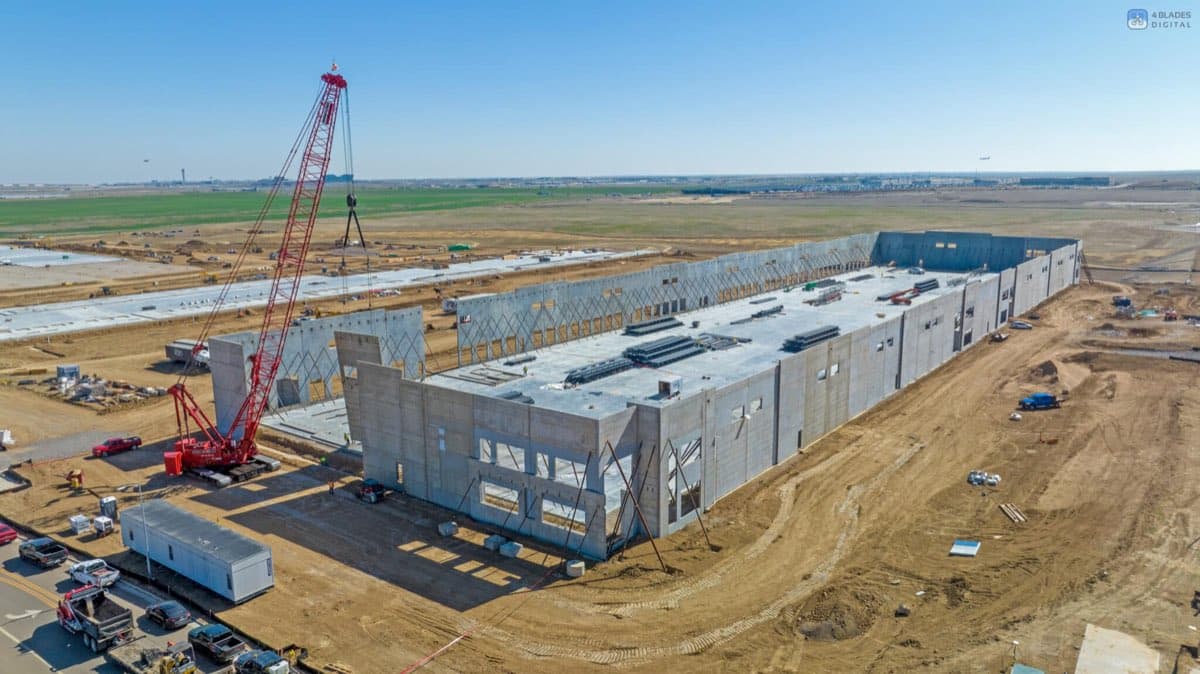
Tilt-Wall Construction
Engineered tilt-wall shells for distribution, maquila-support, and industrial facilities across the Borderplex — poured on caliche-stabilized beds and stood in El Paso's low-humidity desert air.
Open Service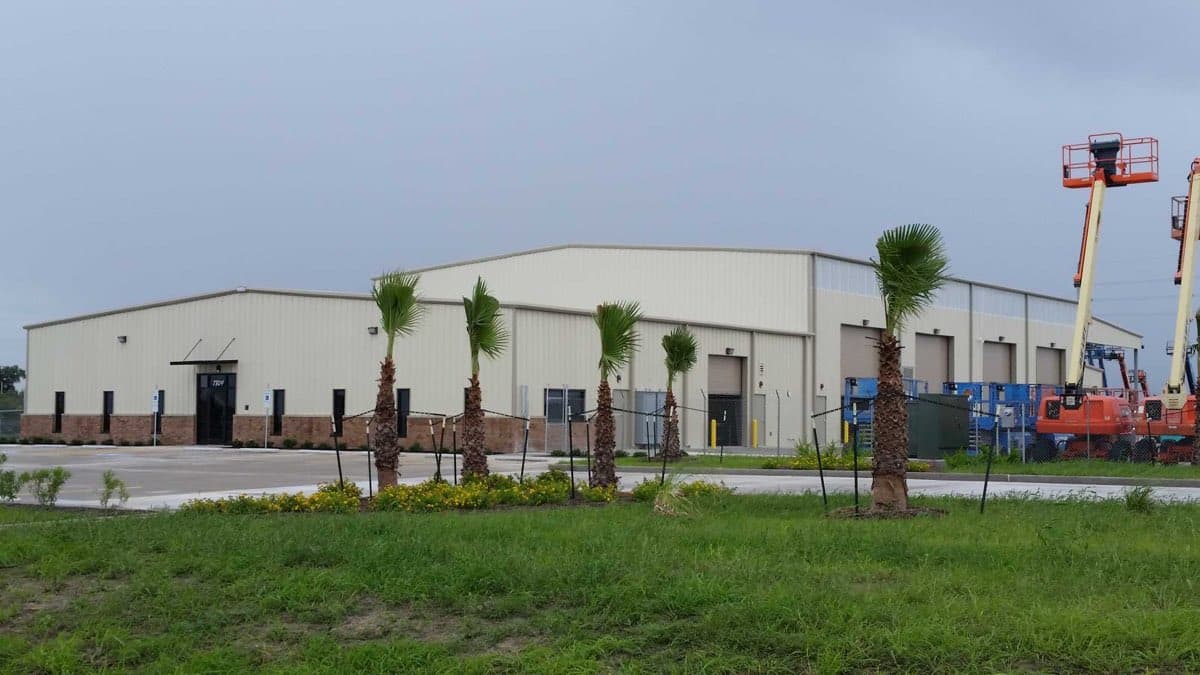
Warehouse Construction
Ground-up and expansion warehouse builds designed for BNSF/UP intermodal connectivity, Cd. Juárez maquila supply chains, and the El Paso/Santa Teresa logistics corridor.
Open Service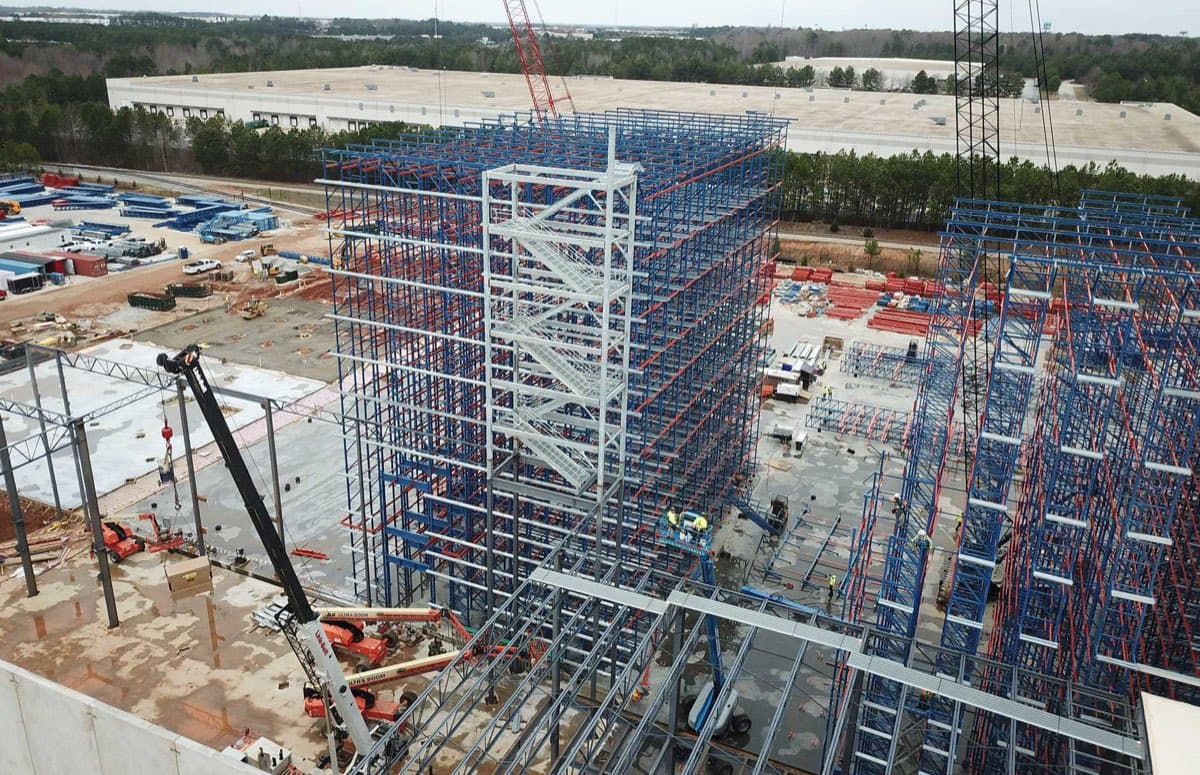
Commercial Construction
Commercial general contracting for El Paso's Sun City corridor — from UTEP-adjacent medical office to West El Paso mixed-use redevelopment — with concrete expertise at the foundation of every scope.
Open Service
Shopping Center Construction
Shopping center and retail plaza construction for El Paso's dense retail corridors — Montwood, Zaragoza, Lee Trevino — with phased delivery grounded in multi-tenant Hispanic family ownership and franchise opening dates.
Open Service