
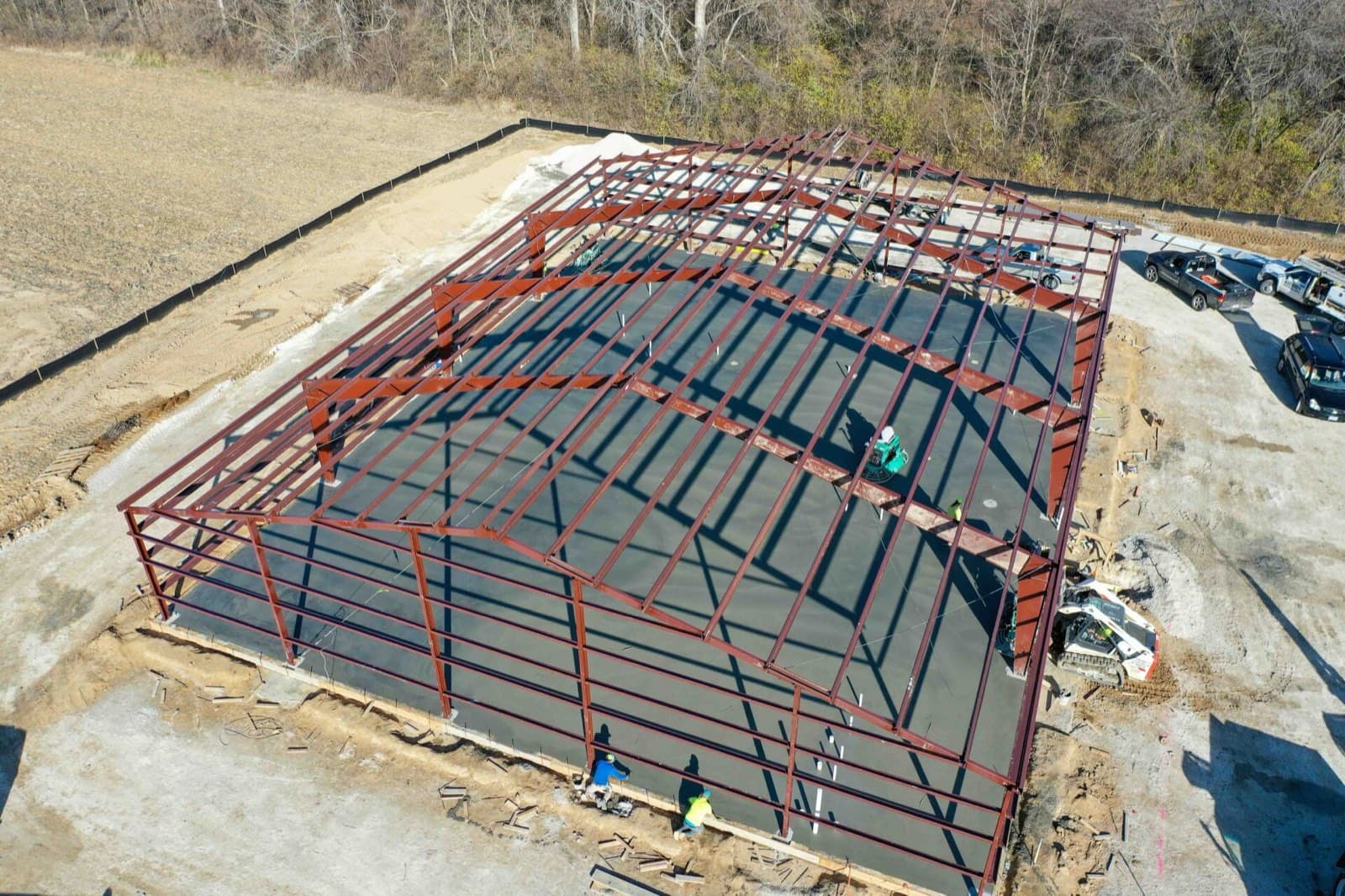
Warehouse Construction in El Paso, TX
El Paso sits where BNSF and Union Pacific intermodal ramps meet the BNSF Bridge of the Americas rail crossing into Cd. Juárez, making this one of the most active warehouse development markets in the Southwest. Concrete Contractors of El Paso builds distribution and fulfillment shells around the operational realities of that freight ecosystem — high dock counts, large-format slabs engineered to FF50/FL35 or better for automation equipment, and apron geometry calibrated for B-train truck combinations common in cross-border maquila logistics. Our warehouse slabs use an air-entrained, low-water-ratio mix that resists the shrinkage cracking triggered by El Paso's extreme dry-heat combination. We pull permits through the Development Services Department, coordinate utility tie-ins with El Paso Water and EP Electric, and sequence phased occupancy so maquila-support tenants can start racking installation in completed bays while dock infrastructure finishes in adjacent zones.
Warehouse construction in the El Paso/Santa Teresa/Las Cruces corridor is driven by one of the most concentrated freight corridors in North America. The three active international bridges — Córdova, Ysleta, and the Tornillo-Guadalupe port of entry — handle over $100 billion in annual two-way trade, and BNSF and Union Pacific both operate major intermodal ramps within 10 miles of downtown El Paso. That freight geography means warehouse clients here are not speculative shell developers — they're maquila-support logistics operators, cross-border e-commerce fulfillment centers, and distribution hubs that tie into supply chains extending through Chihuahua, Sonora, and beyond. We build slabs that support those operations: super-flat troweled concrete at FF45/FL35 minimum for warehouses using reach trucks, joint layouts that prevent faulting under constant forklift traffic, and dock apron geometry calibrated for the B-train trucks common in maquila logistics rather than the standard US 53-foot configurations alone.
Phased occupancy is the rule rather than the exception on larger El Paso warehouse projects because maquila supply chain timelines don't wait for construction punch lists. We sequence civil, shell, and dock completion by zone so tenants can begin racking installation and import processing in completed bays while concrete flatwork and MEP rough-in continue in adjacent phases. Utility coordination with El Paso Water for fire suppression supply and EP Electric for high-amperage service requires lead times of 10–16 weeks that we embed in the preconstruction schedule from the first day of planning. On multilingual project teams — which is most El Paso warehouse projects — we provide Spanish-language safety orientations, bilingual daily logs, and Spanish-language turnover documentation for the facility operations teams who will manage these buildings day to day.
Project Context and Delivery Priorities
In El Paso, warehouse construction projects usually succeed when preconstruction, field access, and turnover planning are treated as one sequence instead of disconnected tasks. We stay close to the owner, design team, and key trades from the earliest scope conversations so the delivery plan reflects the real site constraints, the expected handoff dates, and the operational pressure that often comes with commercial work in the Borderplex.
Before mobilization, we look at permits, utility windows, haul routes, staging needs, and any overlaps with active operations or neighboring development. That matters in El Paso because many sites combine tight access, weather exposure, and multiple jurisdictional touchpoints. The goal is not only to start work quickly, but to start in a way that protects productivity after the first trade arrives on site.
Once work is underway, the emphasis shifts to sequencing and accountability. We track the work by milestone, keep communication practical, and make sure each handoff leaves the next crew with a clean path forward. That approach helps owners avoid the slow drift that can happen when field decisions, submittals, and change coordination are left to accumulate until the end of the job.
As the project closes out, we focus on punch resolution, documentation, and operational readiness. For owners and facility teams, the best handoff is one that explains what was built, how the systems were coordinated, and what should be watched during the first months after turnover. That is the standard we try to maintain on every warehouse construction assignment.
Scope Coverage
- High-bay slab placement, joint layout, and FF/FL specifications for automation equipment
- Dock package planning with apron geometry matched to cross-border truck configurations
- Phased turnover planning for maquila-support and intermodal logistics tenants
- Office pods, guard booths, and custom entry portal design for Spanish-first facility teams
The scope above is most effective when it is structured for the specific end use of the building, the access constraints on the site, and the owner's expected turnover window. We use those priorities to keep the work aligned with the build instead of treating each task as a standalone event.
Delivery Process
- Program and budget alignment tied to BNSF/UP intermodal development timelines
- Permit and utility coordination with El Paso Water, EP Electric, and El Paso county civil
- Shell execution with zone-by-zone milestone tracking for phased occupancy
- Final commissioning, punch management, and bilingual turnover documentation
During delivery, we keep an eye on the items that usually create the most friction: submittal timing, trade stacking, access changes, material lead times, and inspection readiness. Keeping those issues visible early makes the schedule easier to protect later.
Why Choose Us
- Super-flat slab specifications and joint layouts designed for cross-border maquila logistics equipment
- Phased zone-by-zone turnover that allows maquila supply chain activation before full building completion
- Bilingual project coordination and Spanish-language turnover documentation for El Paso operations teams
Typical Timeline
Shell and civil: 6–9 months for 100,000–200,000 sq ft. Full build-out with dock and MEP: add 3–6 months. Phased occupancy available as individual zones complete.
Planning Notes For Owners and Operators
Scope clarity matters early because warehouse construction work often affects downstream trades, equipment placement, and opening dates.
The strongest schedules come from realistic phasing, not optimistic assumptions about how quickly all crews can move through the same space.
If the project touches multiple jurisdictions or corridor access points, we map those dependencies before the first field activity begins.
Owners usually benefit from early procurement checks on reinforcing steel, embeds, specialty concrete mixes, and any finish requirements that could change curing or turnover timing.
When a site stays active during construction, we also plan around access separation, safety controls, and the order in which areas can realistically be released back to operations.
Coordination That Protects Turnover
The strongest warehouse construction deliveries in El Paso are the ones that account for owner operations long before the last punch walk. We keep closeout, access restoration, and documentation in view throughout the job so final turnover does not feel like a separate phase that starts after the work is already complete.
Service Area Alignment
We provide warehouse construction support in El Paso, TX, and nearby Texas and New Mexico markets where schedule control and concrete quality are essential.
Warehouse Construction FAQs
For conventional reach truck operations serving maquila supply chains, we recommend FF45/FL35 minimum. For very-narrow-aisle turret trucks or automated sortation equipment — which is increasingly common in cross-border e-commerce fulfillment operations — FF60/FL50 is appropriate. El Paso's rapid evaporation rate during desert summer afternoons complicates achieving high F-numbers with conventional batch placement, so super-flat slabs here require laser-screed equipment, continuous pour strategy within defined joint-free areas, and troweling timing adjusted for the accelerated bleed water cycle. We pull F-number mapping within 72 hours of placement and provide a slab flatness map, not only an average.
We sequence shell concrete, dock completion, and building utility connections by zone rather than by full-building milestone, so tenants can receive a certificate of occupancy for a completed bay while construction continues in adjacent areas. That requires coordination with El Paso Development Services to confirm the jurisdiction accepts phased CO issuance for the project type, and it requires MEP distribution design that allows individual zones to be independently metered and fire-suppression-tested. Most of our El Paso warehouse clients with cross-border logistics demand need this phased approach to hit maquila equipment installation windows that are set months before building completion.
El Paso Water connections for fire suppression supply require 10–16 weeks from application to service — longer for large-diameter connections that require main extension. EP Electric high-amperage service for warehouses with cross-border logistics automation equipment has similar timelines. We embed these utility lead times in the preconstruction schedule from day one so the warehouse can't be built faster than the utilities allow. Projects in Santa Teresa require parallel New Mexico Public Service coordination on a different timeline, which we also track simultaneously.
Related Service Pages
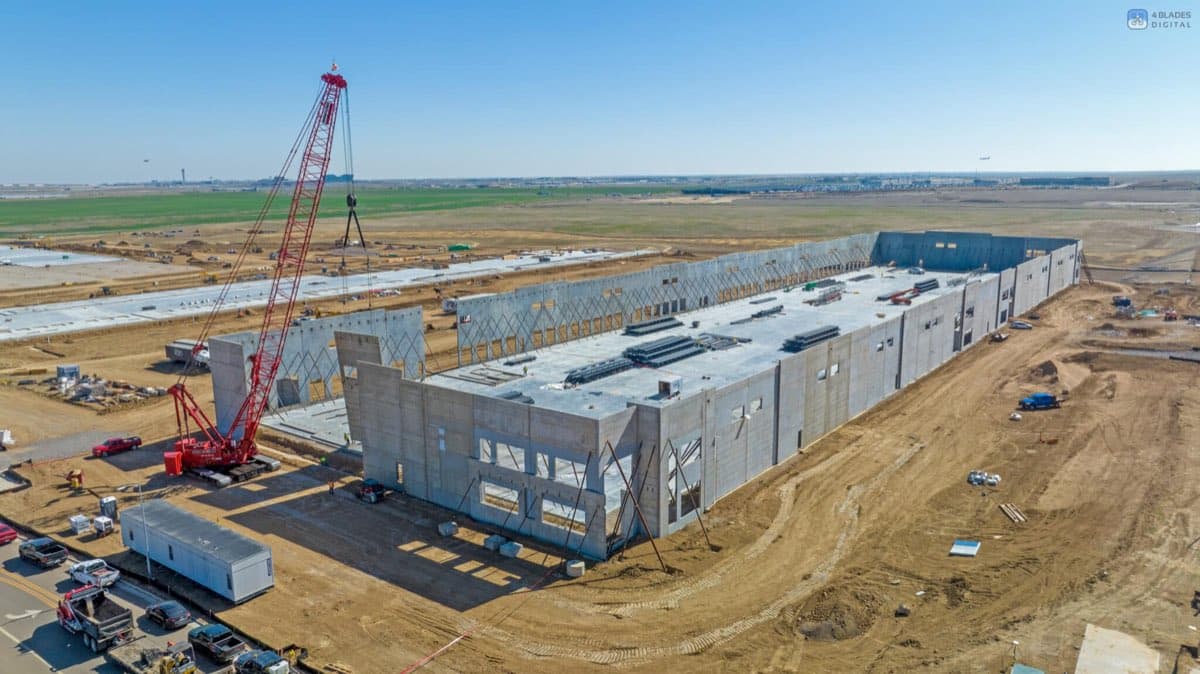
Tilt-Wall Construction
Engineered tilt-wall shells for distribution, maquila-support, and industrial facilities across the Borderplex — poured on caliche-stabilized beds and stood in El Paso's low-humidity desert air.
Open Service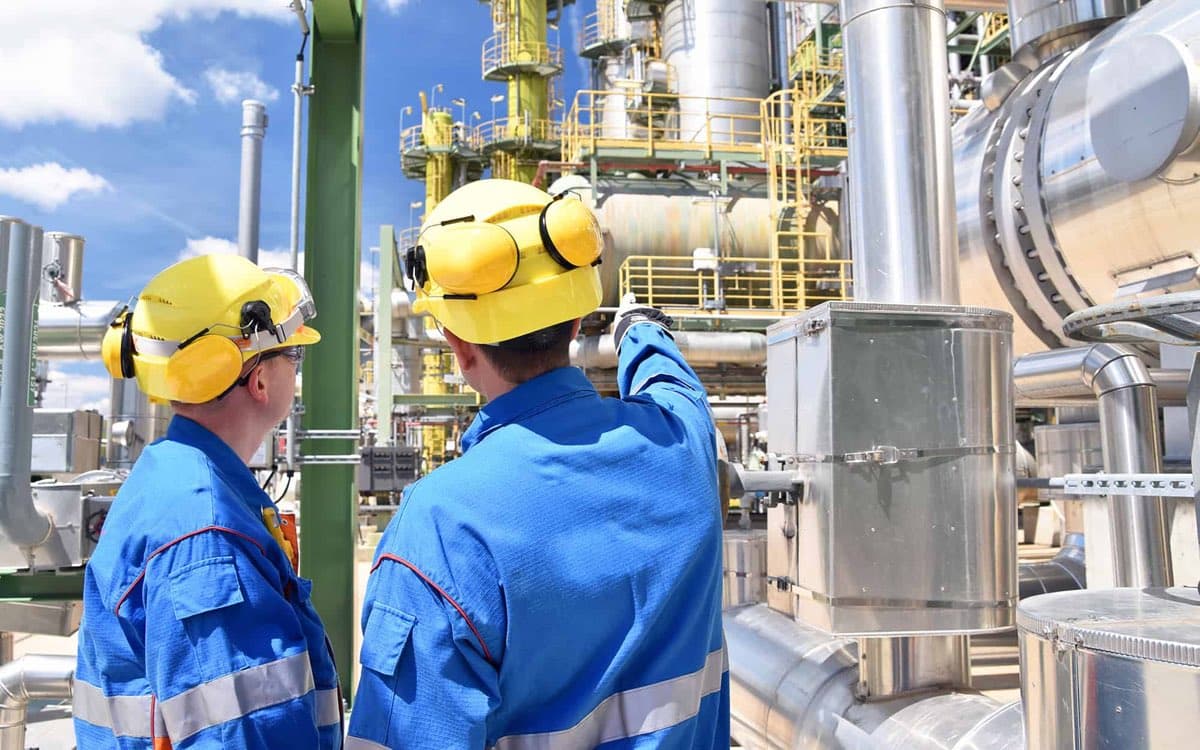
Industrial Construction
Industrial facility construction for maquiladora-support manufacturing, Fort Bliss defense logistics, and Borderplex process environments where sequencing and safety compliance are non-negotiable.
Open Service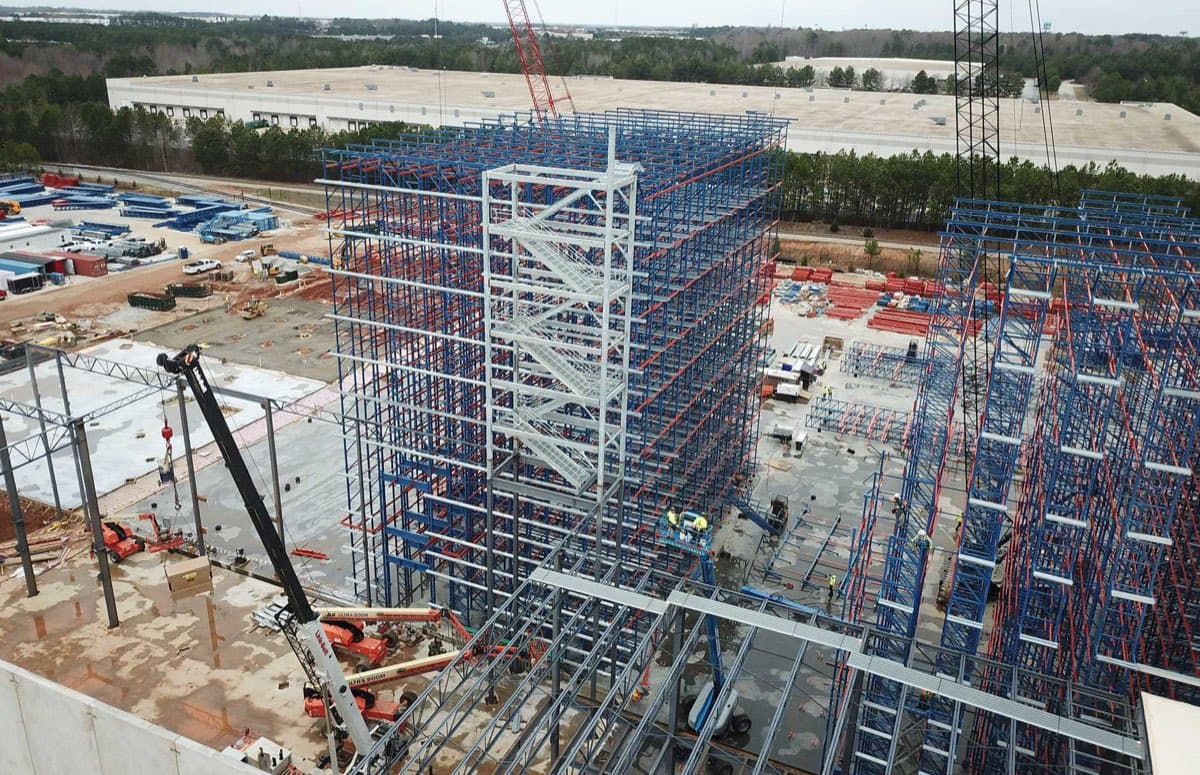
Commercial Construction
Commercial general contracting for El Paso's Sun City corridor — from UTEP-adjacent medical office to West El Paso mixed-use redevelopment — with concrete expertise at the foundation of every scope.
Open Service
Shopping Center Construction
Shopping center and retail plaza construction for El Paso's dense retail corridors — Montwood, Zaragoza, Lee Trevino — with phased delivery grounded in multi-tenant Hispanic family ownership and franchise opening dates.
Open Service