
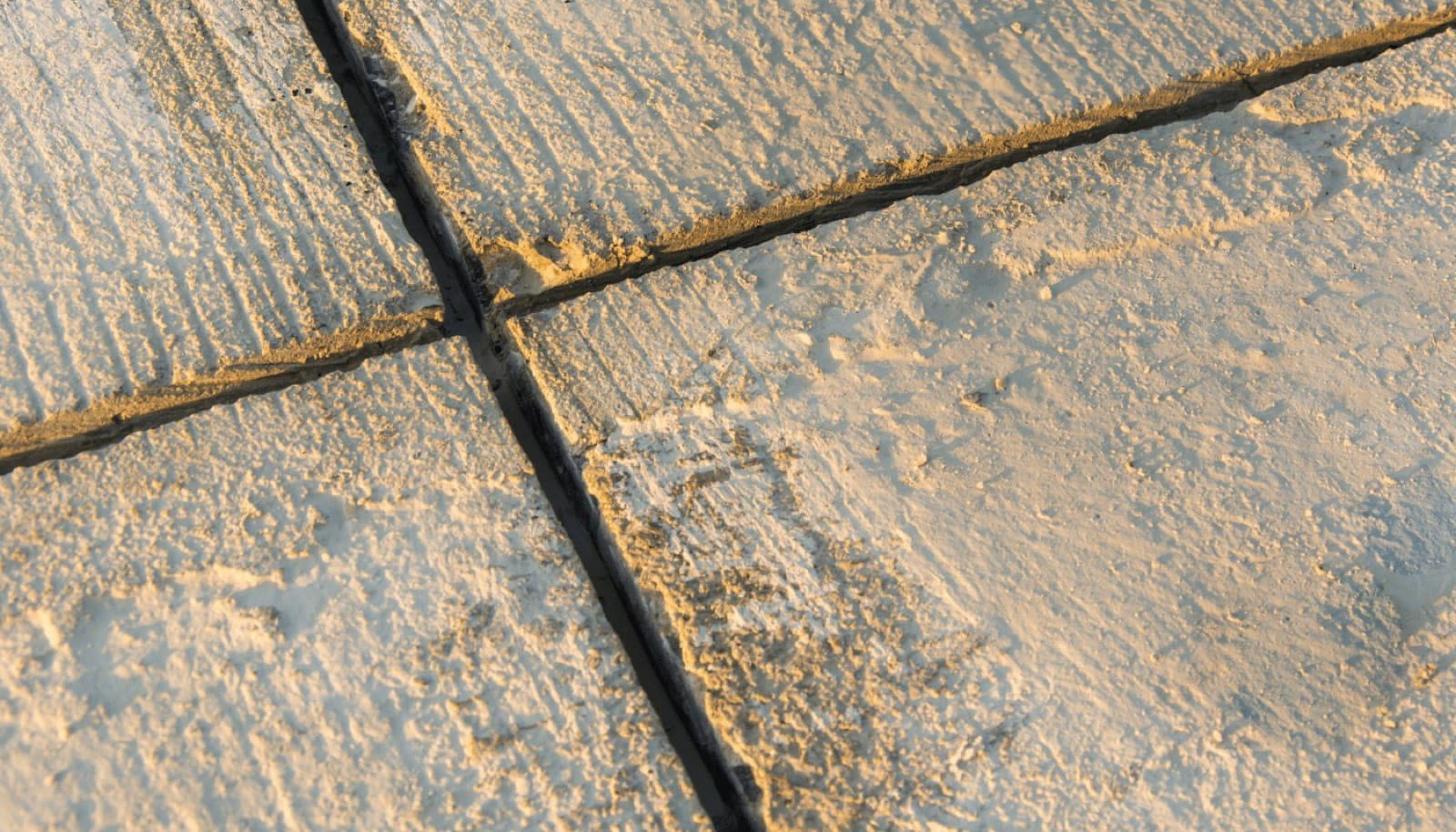
Concrete Foundations in El Paso, TX
Foundation execution in El Paso starts with a soil chemistry conversation that most concrete contractors skip. The caliche and alkaline alluvial deposits that underlie most of the metro carry sulfate concentrations that can attack standard portland cement over time, causing slab heaving, cracking, and loss of structural performance. Concrete Contractors of El Paso specifies sulfate-resistant Type V or blended Type IP cement on foundation scopes where soil reports indicate high sulfate levels — which is standard practice on El Paso industrial sites, not an unusual upgrade. Our excavation crews are experienced with caliche's hard, calcium-carbonate-cemented layers that require pneumatic breaking equipment and slow production rates compared to normal Texas clay or alluvial soils. We coordinate anchor bolt templates and embedded hardware with tilt-wall and structural steel erectors so foundation concrete is placed once and placed correctly — rework on a reinforced mat slab in El Paso's summer heat is expensive and avoidable. Below-grade waterproofing transitions matter here too because monsoon-season perched water can accumulate against foundation walls in ways that post-construction drainage systems alone don't solve.
Foundation work in El Paso begins with a soil chemistry review that many concrete contractors skip — and that skip becomes expensive when sulfate attack begins degrading the foundation system five years after occupancy. El Paso's alluvial soils, particularly those near the Rio Grande and in the Lower Valley, carry measurable sulfate concentrations from natural gypsum and caliche weathering. The American Concrete Institute's ACI 318 and ACI 201 exposure classifications tie cement type selection directly to measured soil sulfate levels — Class 2 exposure requiring Type V or Type IP cement, Class 3 requiring additional protective measures. Concrete Contractors of El Paso reviews the geotechnical report's sulfate data before finalizing mix design, rather than defaulting to the cheapest available cement and hoping the soils aren't aggressive. The cost premium for Type V cement on an El Paso foundation is modest relative to the cost of remediation if a slab-on-grade heaves from sulfate-driven ettringite expansion five years later.
Caliche excavation for foundations is a production-rate issue that must be priced honestly. El Paso caliche varies from gravel-like softened calcium carbonate that a dozer can cut, to solid hardpan that requires pneumatic hammers, to rocky calichified alluvium that needs a hydraulic excavator with rock bucket. We map caliche conditions from the boring logs before excavation begins and price the work with realistic production assumptions for each zone rather than averaging the easy and hard caliche into a number that looks competitive but creates a cost dispute during field execution. For thickened slab edges, grade beams, and spread footings, we use forming systems that maintain concrete cover through the desert-rapid surface drying that can cause surface skinning before vibration consolidation is complete in summer heat.
Project Context and Delivery Priorities
In El Paso, concrete foundations projects usually succeed when preconstruction, field access, and turnover planning are treated as one sequence instead of disconnected tasks. We stay close to the owner, design team, and key trades from the earliest scope conversations so the delivery plan reflects the real site constraints, the expected handoff dates, and the operational pressure that often comes with commercial work in the Borderplex.
Before mobilization, we look at permits, utility windows, haul routes, staging needs, and any overlaps with active operations or neighboring development. That matters in El Paso because many sites combine tight access, weather exposure, and multiple jurisdictional touchpoints. The goal is not only to start work quickly, but to start in a way that protects productivity after the first trade arrives on site.
Once work is underway, the emphasis shifts to sequencing and accountability. We track the work by milestone, keep communication practical, and make sure each handoff leaves the next crew with a clean path forward. That approach helps owners avoid the slow drift that can happen when field decisions, submittals, and change coordination are left to accumulate until the end of the job.
As the project closes out, we focus on punch resolution, documentation, and operational readiness. For owners and facility teams, the best handoff is one that explains what was built, how the systems were coordinated, and what should be watched during the first months after turnover. That is the standard we try to maintain on every concrete foundations assignment.
Scope Coverage
- Sulfate-resistant mix design for El Paso's caliche and alkaline alluvial soil conditions
- Footings, grade beams, mat slabs, and thickened slab zones with caliche-specific excavation protocols
- Anchor bolt templates and embedded plate coordination for tilt-wall and structural steel erection
- Below-grade waterproofing transitions at monsoon-perched-water risk zones
The scope above is most effective when it is structured for the specific end use of the building, the access constraints on the site, and the owner's expected turnover window. We use those priorities to keep the work aligned with the build instead of treating each task as a standalone event.
Delivery Process
- Geotechnical review and sulfate-level confirmation before mix design finalization
- Rebar and embed verification with survey-control checks before placement
- Concrete pour sequencing with desert-climate curing — burlap moisture retention, misting, solar shielding
- Post-placement tolerance documentation and as-built survey for structural handoff
During delivery, we keep an eye on the items that usually create the most friction: submittal timing, trade stacking, access changes, material lead times, and inspection readiness. Keeping those issues visible early makes the schedule easier to protect later.
Why Choose Us
- Geotechnical sulfate-level review and ACI exposure classification as standard pre-design practice on every foundation scope
- Caliche production-rate mapping from boring logs that produces accurate excavation pricing rather than field-execution surprises
- Summer desert pour protocols — early starts, surface shielding, and vibration-before-skinning discipline — as standard field practice
Typical Timeline
Footings and grade beams: 4–8 weeks including caliche excavation and sulfate-resistant cure cycle. Mat slabs: 6–12 weeks depending on size, complexity, and equipment embed density.
Planning Notes For Owners and Operators
Scope clarity matters early because concrete foundations work often affects downstream trades, equipment placement, and opening dates.
The strongest schedules come from realistic phasing, not optimistic assumptions about how quickly all crews can move through the same space.
If the project touches multiple jurisdictions or corridor access points, we map those dependencies before the first field activity begins.
Owners usually benefit from early procurement checks on reinforcing steel, embeds, specialty concrete mixes, and any finish requirements that could change curing or turnover timing.
When a site stays active during construction, we also plan around access separation, safety controls, and the order in which areas can realistically be released back to operations.
Coordination That Protects Turnover
The strongest concrete foundations deliveries in El Paso are the ones that account for owner operations long before the last punch walk. We keep closeout, access restoration, and documentation in view throughout the job so final turnover does not feel like a separate phase that starts after the work is already complete.
Service Area Alignment
We provide concrete foundations support in El Paso, TX, and nearby Texas and New Mexico markets where schedule control and concrete quality are essential.
Concrete Foundations FAQs
We review the geotechnical report's water-soluble sulfate test results from soil samples taken at foundation depth — typically 3 to 5 feet below grade. ACI 318 Table 19.3.2 defines the exposure class: below 0.10 percent soluble sulfate is Class S0, 0.10–0.20 is Class S1 requiring Type V or equivalent, 0.20–2.00 is Class S2 with additional water-cement ratio restrictions, and above 2.00 is Class S3. El Paso's Lower Valley and Rio Grande-adjacent sites frequently test Class S1 or S2. We request sulfate testing as a specific scope item when commissioning geotechnical investigations if the standard report scope doesn't include it.
Caliche excavation for spread footings depends on the hardpan thickness and depth. Where caliche is present from 6 inches to 2 feet below grade — common in Horizon City and Northeast El Paso — we use a hydraulic excavator with a rock bucket or pneumatic breaker attachment to break and remove the hardpan before forming footings. In softer caliche zones, a backhoe bucket with scarifier teeth is adequate. We verify caliche character during excavation and adjust equipment selection if we encounter harder material than the boring logs indicated. Footing bottom inspection after excavation confirms we're in competent material before forming.
Monsoon-season perched water above the caliche layer can accumulate in open excavations within hours of a rain event. We install temporary drainage sumps in foundation excavations during July through September, maintain dewatering pumps on site during active monsoon periods, and do not leave open foundation excavations unprotected overnight when late-afternoon thunderstorm probability is above 40 percent. Foundation concrete placed in excavations with standing water is not acceptable — we pump completely dry before forming begins and have aggregate base material staged to rebuild any disturbed subgrade before forming.
Related Service Pages
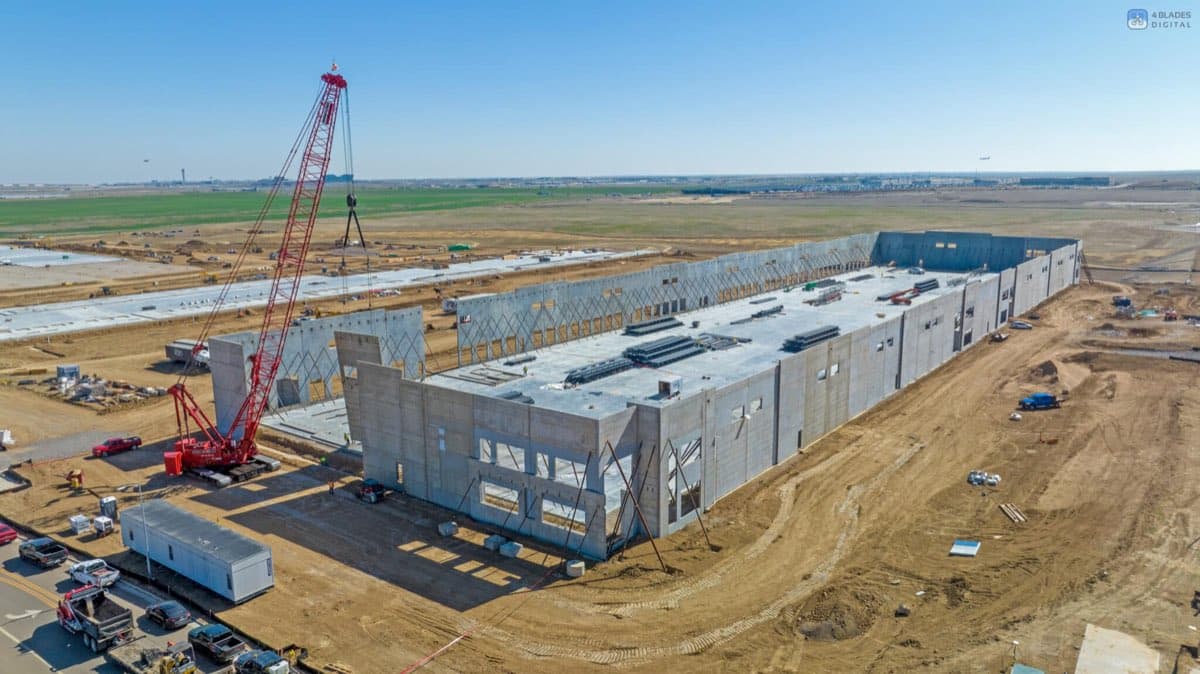
Tilt-Wall Construction
Engineered tilt-wall shells for distribution, maquila-support, and industrial facilities across the Borderplex — poured on caliche-stabilized beds and stood in El Paso's low-humidity desert air.
Open Service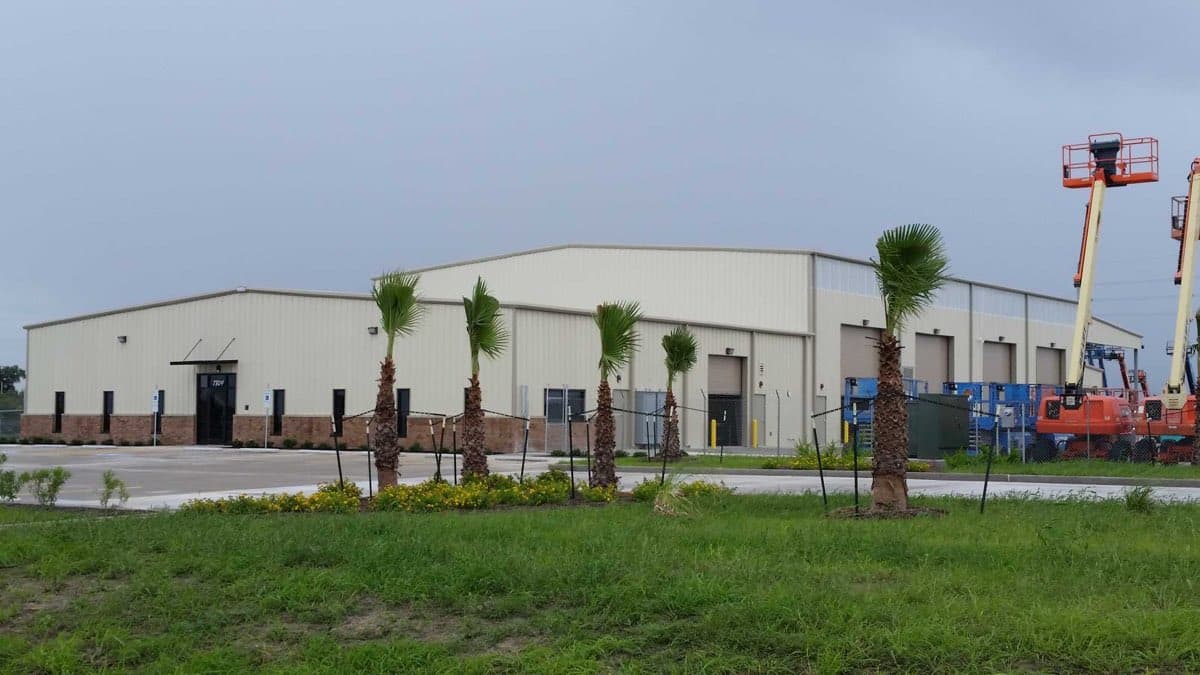
Warehouse Construction
Ground-up and expansion warehouse builds designed for BNSF/UP intermodal connectivity, Cd. Juárez maquila supply chains, and the El Paso/Santa Teresa logistics corridor.
Open Service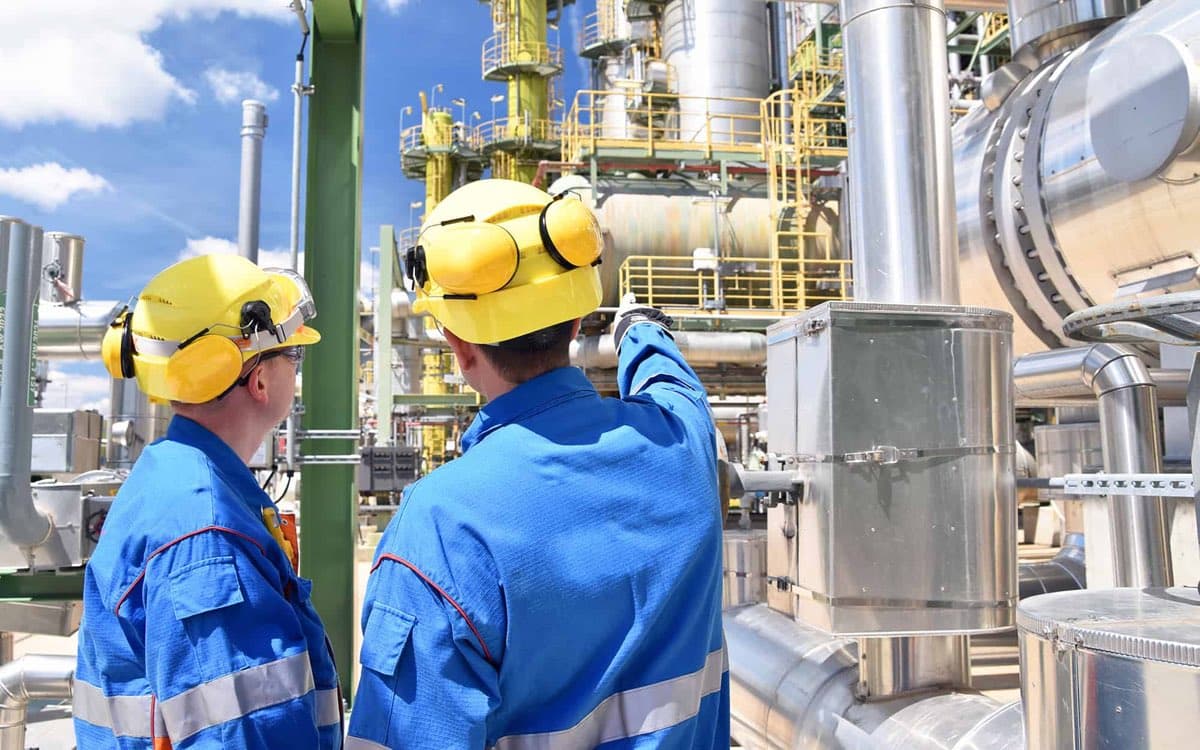
Industrial Construction
Industrial facility construction for maquiladora-support manufacturing, Fort Bliss defense logistics, and Borderplex process environments where sequencing and safety compliance are non-negotiable.
Open Service
Commercial Construction
Commercial general contracting for El Paso's Sun City corridor — from UTEP-adjacent medical office to West El Paso mixed-use redevelopment — with concrete expertise at the foundation of every scope.
Open Service