
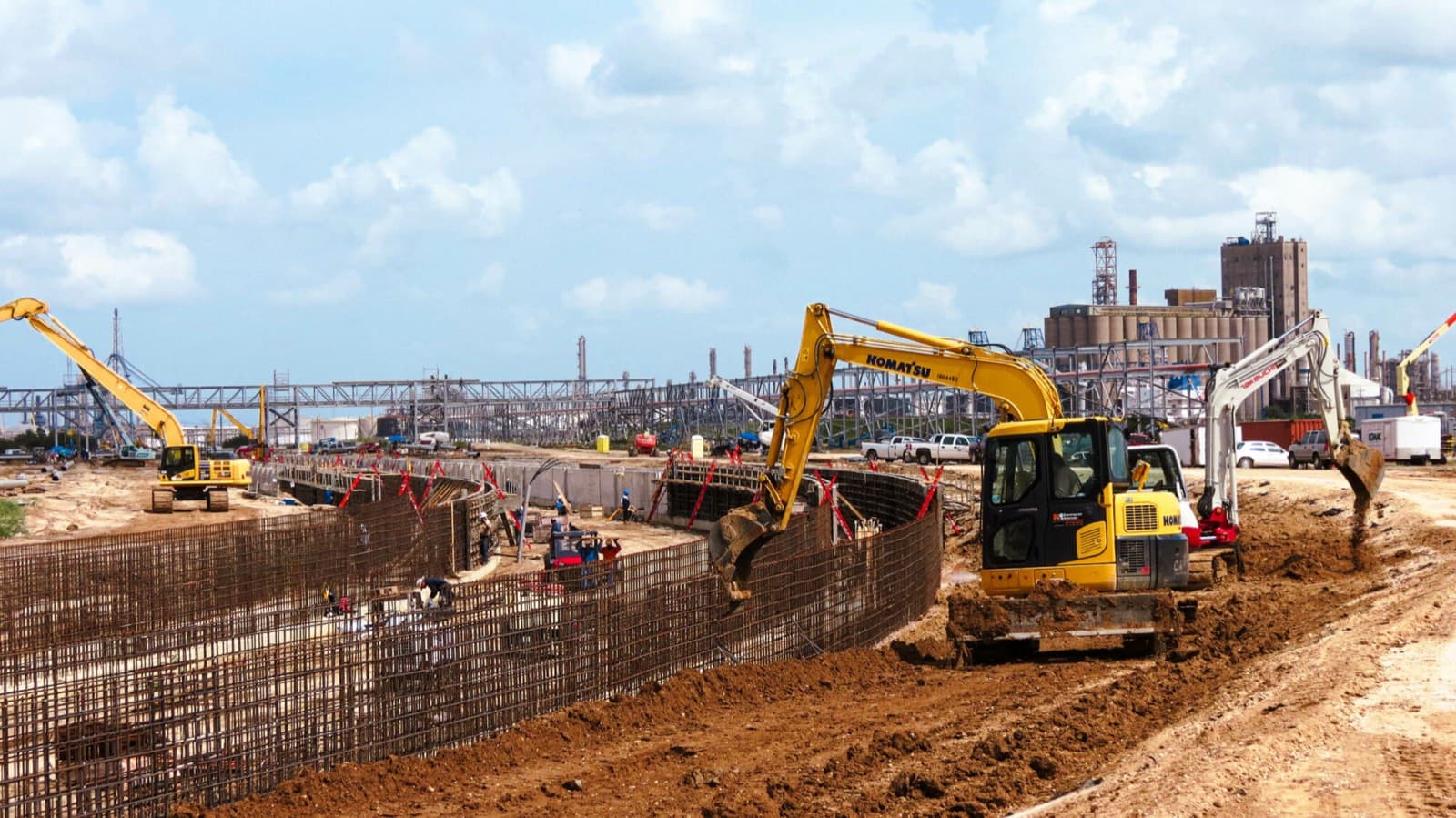
Demolition in El Paso, TX
El Paso is a unique demolition market in every dimension — the geology is Chihuahuan Desert caliche and rocky alluvial fan material from the Franklin Mountains that creates some of the most technically demanding foundation removal conditions in Texas, the regulatory environment includes El Paso's EPA non-attainment status for PM-10 particulate matter that imposes stricter dust control requirements than any other Texas market, and the binational border context creates utility and access coordination considerations that have no equivalent elsewhere in the state. The commercial landscape of El Paso spans from the Westside's upscale retail corridors along Sunland Park Drive and Mesa Street, through the dense older commercial zones along Montana Avenue and Gateway Boulevard East, to the heavy industrial facilities near the El Paso International Airport and the Ysleta-Zaragoza Bridge approach. Each zone has distinct soil characteristics, hazmat profiles, and regulatory considerations that require specific pre-demolition planning rather than a templated approach. Caliche in El Paso is not a single phenomenon — it ranges from a thin, brittle surface crust on mesa-top commercial properties to several feet of densely cemented calcium carbonate that is effectively indistinguishable from sandstone by the time it reaches full cementation depth. On the east side of El Paso near the Socorro and Clint commercial development zones, the alluvial fan material from the Franklin Mountains adds rocky cobble and boulder material to the caliche matrix, making equipment wear and foundation removal time particularly high. On the Westside near Sunland Park, thinner caliche over sandy desert loam creates a somewhat faster breaking profile, but the proximity to the Sunland Park Racetrack and adjacent mixed-use development requires careful vibration and dust management. Pre-demolition caliche assessment — with test pits or probe rod testing to determine depth and hardness at the specific project site — is standard practice for our El Paso work because the variation across even a single commercial parcel can significantly affect scope and cost. El Paso's EPA non-attainment status for PM-10 particulate matter is the most consequential regulatory distinction in this market for demolition contractors. The City of El Paso's Air Quality Program requires that all construction and demolition operations implement a dust control plan as a condition of permit approval, and that plan must specify the suppression methods — water trucks, misting systems, enclosure, windscreens — and the operational protocols that will prevent caliche and soil dust from leaving the site perimeter. The consequences of non-compliance are real: El Paso is in an area where visibility, respiratory health, and EPA regulatory oversight are all active concerns, and demolition contractors who operate without adequate dust control face stop-work orders and potential fines. Our El Paso demolition operations include water trucks as standard equipment on every project, with nozzle configurations matched to the caliche and soil type of each site, and we deploy windscreen barriers on any project where prevailing wind direction creates a pathway between the active work zone and adjacent sensitive receptors. The older commercial and industrial buildings along Montana Avenue, Dyer Street, and the downtown El Paso blocks that predate the 1980s contain asbestos-containing materials in floor tile, pipe insulation, and roofing felts, and the TCEQ NESHAP ten-day notification requirement applies in El Paso County just as it does throughout Texas. Some of the older industrial structures in the Lower Valley near the BNSF rail yards and the industrial corridors along Alameda Avenue have additional lead paint and process contamination considerations that require Phase II ESA coordination before mechanical demolition proceeds. El Paso Electric and El Paso Natural Gas both serve El Paso's utility infrastructure, and the binational utility networks in some border-adjacent areas require coordination to confirm that utility service to the specific structure being demolished is fully disconnected before any mechanical work begins — the dense underground infrastructure near the international bridge approaches in the downtown area and in the Ysleta corridor requires vacuum excavation for service line exposure before breaking.
Project Context and Delivery Priorities
In El Paso, demolition projects usually succeed when preconstruction, field access, and turnover planning are treated as one sequence instead of disconnected tasks. We stay close to the owner, design team, and key trades from the earliest scope conversations so the delivery plan reflects the real site constraints, the expected handoff dates, and the operational pressure that often comes with commercial work in the Borderplex.
Before mobilization, we look at permits, utility windows, haul routes, staging needs, and any overlaps with active operations or neighboring development. That matters in El Paso because many sites combine tight access, weather exposure, and multiple jurisdictional touchpoints. The goal is not only to start work quickly, but to start in a way that protects productivity after the first trade arrives on site.
Once work is underway, the emphasis shifts to sequencing and accountability. We track the work by milestone, keep communication practical, and make sure each handoff leaves the next crew with a clean path forward. That approach helps owners avoid the slow drift that can happen when field decisions, submittals, and change coordination are left to accumulate until the end of the job.
As the project closes out, we focus on punch resolution, documentation, and operational readiness. For owners and facility teams, the best handoff is one that explains what was built, how the systems were coordinated, and what should be watched during the first months after turnover. That is the standard we try to maintain on every demolition assignment.
Scope Coverage
- Full commercial teardowns across the El Paso market from Sunland Park and the Westside through Montana Avenue and Gateway Boulevard to the Lower Valley industrial zones
- Desert caliche and rocky alluvial foundation removal with hydraulic breaking, rock saws, and heavy hammers matched to the specific caliche hardness at each El Paso project site
- EPA non-attainment dust control with mandatory water trucks, misting systems, and windscreen barriers per City of El Paso Air Quality Program permit requirements
- Pre-demolition hazmat surveys and TCEQ NESHAP coordination for older El Paso commercial structures with Phase II ESA for petroleum-adjacent industrial sites
- Border-adjacent utility coordination with El Paso Electric and EPNG including vacuum excavation in the dense utility corridors near international bridge approaches
The scope above is most effective when it is structured for the specific end use of the building, the access constraints on the site, and the owner's expected turnover window. We use those priorities to keep the work aligned with the build instead of treating each task as a standalone event.
Delivery Process
- Pre-demolition caliche assessment and environmental review with City of El Paso Air Quality dust control plan preparation and TCEQ NESHAP notification
- El Paso Electric and EPNG disconnection confirmation, Texas811 locate, and vacuum excavation for underground service exposure before mechanical work
- Caliche-breaking demolition with mandatory PM-10 dust suppression, perimeter windscreen deployment, and continuous air quality monitoring
- Caliche and concrete crushing or haul-off with steel segregation, material manifests, and site grading to finish elevation
- Documentation delivery including City of El Paso Air Quality Program compliance records, TCEQ permit close-out, and abatement clearance
During delivery, we keep an eye on the items that usually create the most friction: submittal timing, trade stacking, access changes, material lead times, and inspection readiness. Keeping those issues visible early makes the schedule easier to protect later.
Planning Notes For Owners and Operators
Scope clarity matters early because demolition work often affects downstream trades, equipment placement, and opening dates.
The strongest schedules come from realistic phasing, not optimistic assumptions about how quickly all crews can move through the same space.
If the project touches multiple jurisdictions or corridor access points, we map those dependencies before the first field activity begins.
Owners usually benefit from early procurement checks on reinforcing steel, embeds, specialty concrete mixes, and any finish requirements that could change curing or turnover timing.
When a site stays active during construction, we also plan around access separation, safety controls, and the order in which areas can realistically be released back to operations.
Coordination That Protects Turnover
The strongest demolition deliveries in El Paso are the ones that account for owner operations long before the last punch walk. We keep closeout, access restoration, and documentation in view throughout the job so final turnover does not feel like a separate phase that starts after the work is already complete.
Service Area Alignment
We provide demolition support in El Paso, TX, and nearby Texas and New Mexico markets where schedule control and concrete quality are essential.
Related Service Pages
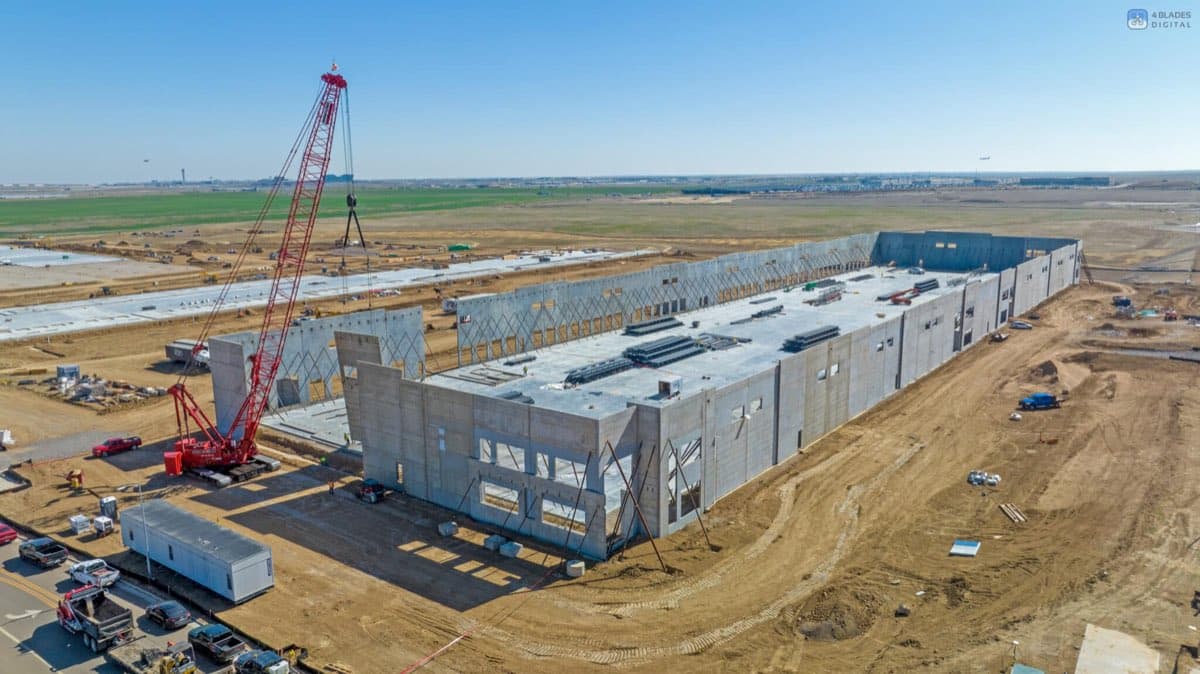
Tilt-Wall Construction
Engineered tilt-wall shells for distribution, maquila-support, and industrial facilities across the Borderplex — poured on caliche-stabilized beds and stood in El Paso's low-humidity desert air.
Open Service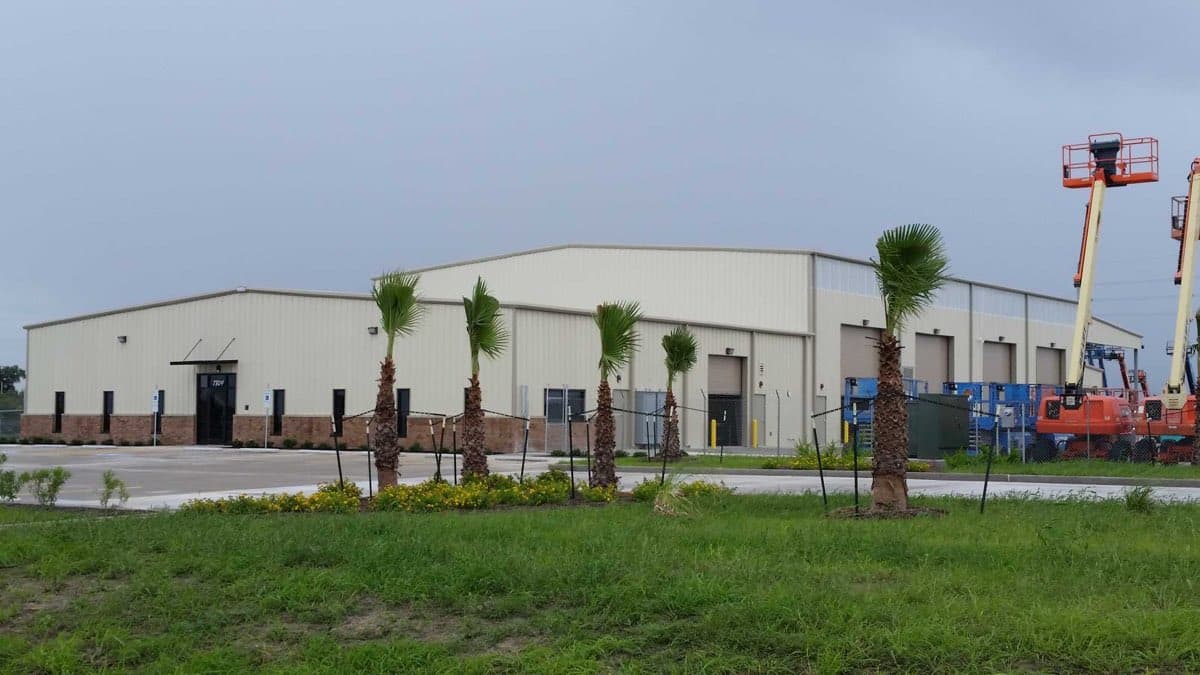
Warehouse Construction
Ground-up and expansion warehouse builds designed for BNSF/UP intermodal connectivity, Cd. Juárez maquila supply chains, and the El Paso/Santa Teresa logistics corridor.
Open Service
Industrial Construction
Industrial facility construction for maquiladora-support manufacturing, Fort Bliss defense logistics, and Borderplex process environments where sequencing and safety compliance are non-negotiable.
Open Service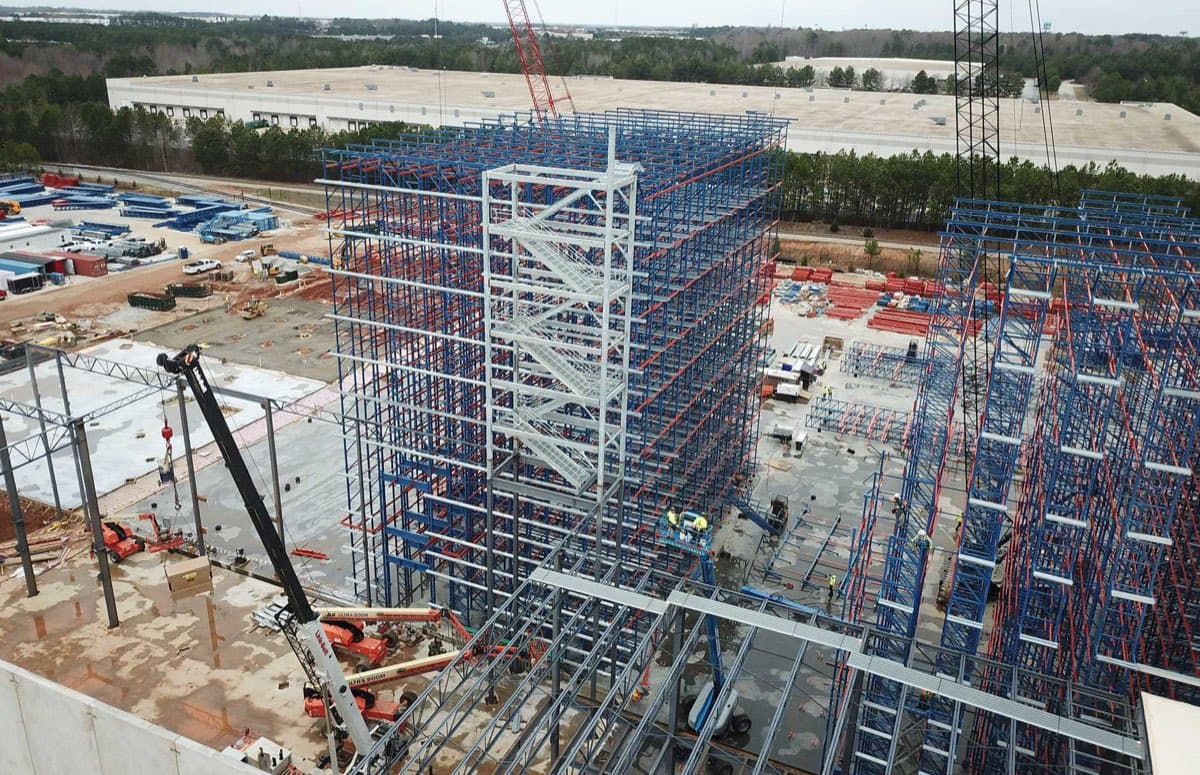
Commercial Construction
Commercial general contracting for El Paso's Sun City corridor — from UTEP-adjacent medical office to West El Paso mixed-use redevelopment — with concrete expertise at the foundation of every scope.
Open Service