
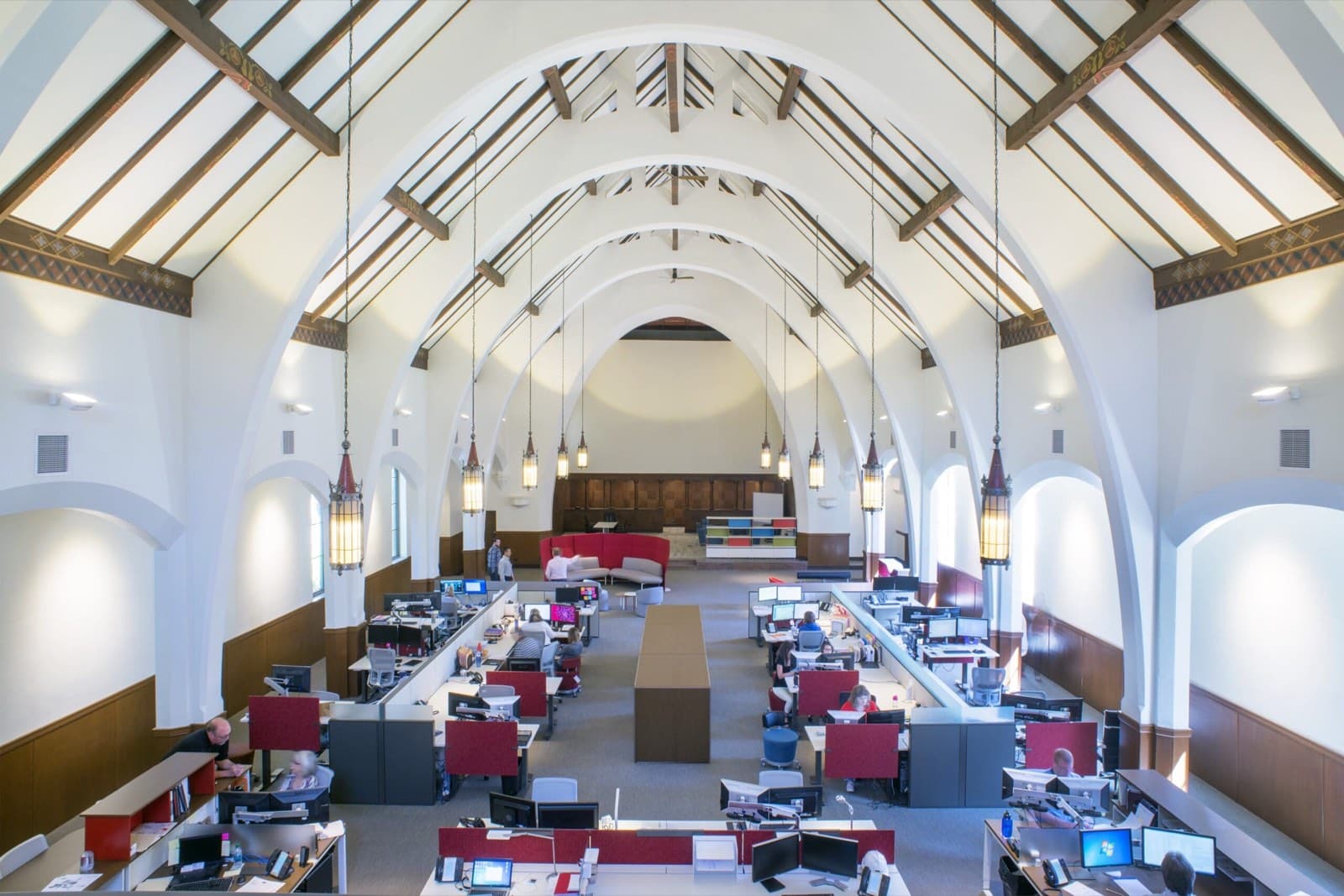
Renovation and Adaptive Reuse in El Paso, TX
Adaptive reuse in El Paso has a unique character because the city's building inventory spans from 1890s-era downtown brick and masonry, through 1950s–1970s tilt-wall industrial, to 1980s shopping center concrete that is now reaching the functional end of its original design life. Concrete Contractors of El Paso approaches renovation and adaptive reuse from a concrete-diagnostic perspective: we probe existing slabs for thickness and rebar, pull core samples to evaluate compressive strength and carbonation depth, and assess whether existing foundations can support proposed new program loads before any renovation drawings are committed. Downtown El Paso's historic masonry stock often sits on shallow CIP spread footings that require underpinning or supplemental foundation systems for adaptive reuse to taller occupancies. East Side industrial tilt-wall from the 1970s was routinely built with smooth-formed panels and cold-weather pour sequences that produced inconsistent concrete quality — renovation scopes that depend on drilling into those panels for new attachment points need informed concrete investigation before commitments are made. We also bring decorative concrete expertise — polished floors, exposed-aggregate overlays, and custom-colored toppings — that support the Spanish-Colonial and Pueblo architectural aesthetic that gives El Paso renovations their distinctive regional identity.
Adaptive reuse concrete investigation in El Paso starts with the recognition that every existing building in this city was built in one of several distinct concrete eras, each with its own quality characteristics. Pre-1960 downtown construction used natural cement and early portland concrete with low compressive strength and minimal rebar cover. The 1970s tilt-wall expansion produced panels with inconsistent concrete quality from the manual drum-mixer batching common in El Paso's early maquila infrastructure era. The 1980s and 1990s commercial concrete stock was typically better specified but often placed with inadequate curing in El Paso's summer heat, leading to carbonation depths that accelerate rebar corrosion earlier than design life would predict. Concrete Contractors of El Paso uses core sampling, carbonation depth testing with phenolphthalein indicator, and half-cell potential testing to characterize existing concrete before renovation design decisions are committed — because the renovation strategy for a building whose concrete has carbonated to the rebar is fundamentally different from one with 50mm of remaining passivation depth.
Polished concrete floors for adaptive reuse in El Paso's downtown historic buildings require coordination with preservation requirements that constrain what can be done to the existing slab substrate. When a historic factory or warehouse floor has a distinctive texture, aggregate exposure, or patina that the preservation architect wants to retain or replicate, our concrete crews approach finishing operations as restoration rather than standard commercial polishing. We use densifier chemistry appropriate for El Paso's highly alkaline concrete — standard sodium silicate densifiers react differently on high-pH concrete than on neutral concrete — and we test on sample panels before committing to a full-floor system. The result is a polished concrete aesthetic that is genuinely tied to the building's El Paso history rather than a generic commercial finish applied over the original slab.
Project Context and Delivery Priorities
In El Paso, renovation and adaptive reuse projects usually succeed when preconstruction, field access, and turnover planning are treated as one sequence instead of disconnected tasks. We stay close to the owner, design team, and key trades from the earliest scope conversations so the delivery plan reflects the real site constraints, the expected handoff dates, and the operational pressure that often comes with commercial work in the Borderplex.
Before mobilization, we look at permits, utility windows, haul routes, staging needs, and any overlaps with active operations or neighboring development. That matters in El Paso because many sites combine tight access, weather exposure, and multiple jurisdictional touchpoints. The goal is not only to start work quickly, but to start in a way that protects productivity after the first trade arrives on site.
Once work is underway, the emphasis shifts to sequencing and accountability. We track the work by milestone, keep communication practical, and make sure each handoff leaves the next crew with a clean path forward. That approach helps owners avoid the slow drift that can happen when field decisions, submittals, and change coordination are left to accumulate until the end of the job.
As the project closes out, we focus on punch resolution, documentation, and operational readiness. For owners and facility teams, the best handoff is one that explains what was built, how the systems were coordinated, and what should be watched during the first months after turnover. That is the standard we try to maintain on every renovation and adaptive reuse assignment.
Scope Coverage
- Concrete core sampling and compressive strength assessment for existing El Paso industrial and commercial slabs
- Foundation underpinning and supplemental CIP systems for downtown historic masonry adaptive reuse
- Polished concrete, exposed-aggregate overlay, and colored topping systems for Pueblo-style renovation finishes
- Structural concrete upgrade and seismic anchor installation for East Side legacy tilt-wall buildings
The scope above is most effective when it is structured for the specific end use of the building, the access constraints on the site, and the owner's expected turnover window. We use those priorities to keep the work aligned with the build instead of treating each task as a standalone event.
Delivery Process
- Discovery walkthroughs with slab probing, core sampling, and historic masonry assessment
- Package sequencing around occupied-use constraints and downtown El Paso street-closure permits
- Field coordination with bilingual supervision and quality controls for renovation concrete scopes
- Final turnover by area or phase with as-built documentation for historic preservation record
During delivery, we keep an eye on the items that usually create the most friction: submittal timing, trade stacking, access changes, material lead times, and inspection readiness. Keeping those issues visible early makes the schedule easier to protect later.
Why Choose Us
- Era-specific concrete diagnostic — core sampling, carbonation depth, and half-cell potential testing — before renovation scope is committed
- Historic preservation-compatible polished concrete finishing with El Paso alkalinity-appropriate densifier chemistry
- Downtown El Paso adaptive reuse experience coordinating with TxDOT right-of-way, utility relocation, and historic district permit requirements
Typical Timeline
Concrete investigation: 2–4 weeks before renovation design. Structural concrete upgrades: 4–12 weeks. Full building renovation: 6–18 months depending on scope and occupancy constraints.
Planning Notes For Owners and Operators
Scope clarity matters early because renovation and adaptive reuse work often affects downstream trades, equipment placement, and opening dates.
The strongest schedules come from realistic phasing, not optimistic assumptions about how quickly all crews can move through the same space.
If the project touches multiple jurisdictions or corridor access points, we map those dependencies before the first field activity begins.
Owners usually benefit from early procurement checks on reinforcing steel, embeds, specialty concrete mixes, and any finish requirements that could change curing or turnover timing.
When a site stays active during construction, we also plan around access separation, safety controls, and the order in which areas can realistically be released back to operations.
Coordination That Protects Turnover
The strongest renovation and adaptive reuse deliveries in El Paso are the ones that account for owner operations long before the last punch walk. We keep closeout, access restoration, and documentation in view throughout the job so final turnover does not feel like a separate phase that starts after the work is already complete.
Service Area Alignment
We provide renovation and adaptive reuse support in El Paso, TX, and nearby Texas and New Mexico markets where schedule control and concrete quality are essential.
Renovation and Adaptive Reuse FAQs
We use a three-step assessment protocol for El Paso legacy concrete. First, visual inspection documents crack patterns, joint faulting, surface scaling, and evidence of prior repair — patterns that indicate settlement, thermal fatigue, or sulfate attack. Second, core sampling from representative locations gives compressive strength data and allows carbonation depth measurement with phenolphthalein indicator — carbonation depth shows how far the concrete has lost its protective alkalinity, which determines whether embedded rebar is still passivated or is actively corroding. Third, for high-value renovation scopes, half-cell potential testing by a corrosion engineer identifies areas of active rebar corrosion below the surface before renovation work begins. These investigations happen before renovation design is finalized, not after construction begins.
Historic building concrete floors in El Paso's downtown district — some dating to the 1920s and 1930s — often have natural cement or early portland concrete with low compressive strength, high porosity, and aggregate that doesn't respond to mechanical polishing the way modern concrete does. We test-grind a sample panel in an inconspicuous area before committing to a full polished-floor scope, confirming that the existing concrete is suitable for polishing and identifying what aggregate will be revealed at the target grinding level. For floors that are structurally adequate but too deteriorated for grinding, we evaluate concrete overlay systems — 1/4-to-3/8-inch micro-topping or polymer concrete overlay — that can achieve a polished concrete aesthetic over the existing slab without requiring the existing concrete to be structural-grade.
Downtown El Paso renovation concrete requires permit coordination with TxDOT and City of El Paso Traffic Engineering for lane closures and street use permits that concrete truck access to constrained downtown sites requires. Ready-mix batch plants serving downtown projects are typically 15 to 25 minutes from downtown — a delivery time that is manageable for standard concrete but tight for specialty mix designs with short workability windows. We pre-schedule concrete deliveries with the batch plant, confirm truck routing with the concrete company dispatcher, and have a clear plan for concrete that arrives out of specification — in downtown El Paso there is no staging area to park an unacceptable load while the decision is made about whether to accept it.
Related Service Pages
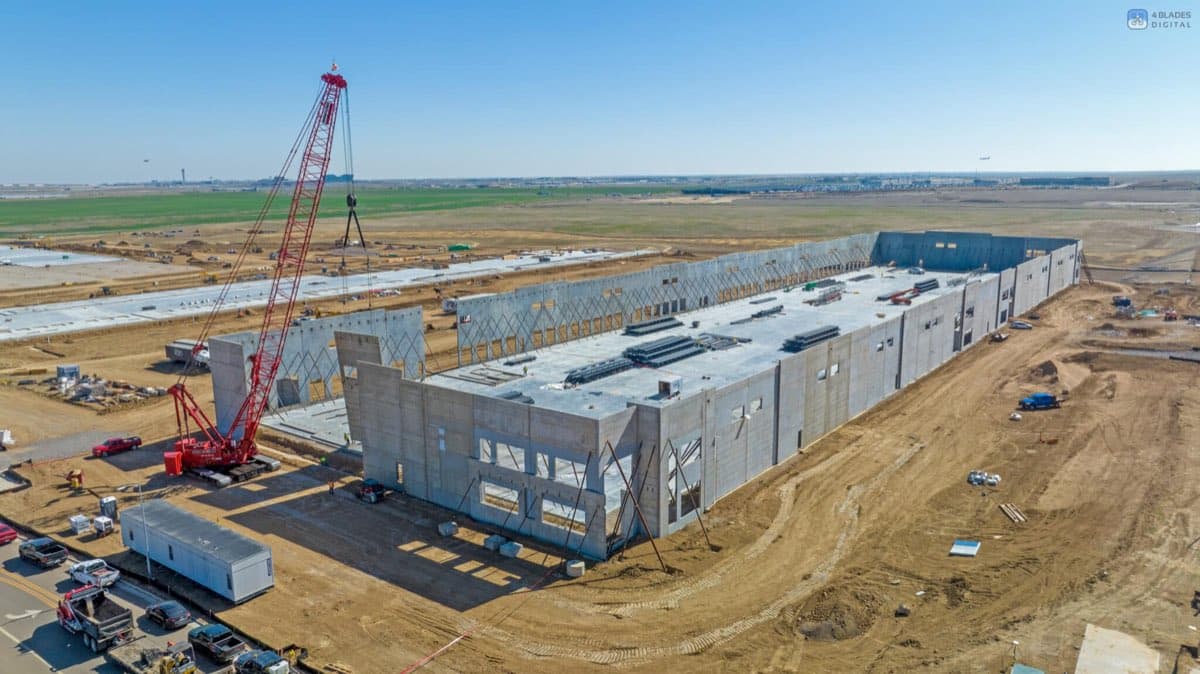
Tilt-Wall Construction
Engineered tilt-wall shells for distribution, maquila-support, and industrial facilities across the Borderplex — poured on caliche-stabilized beds and stood in El Paso's low-humidity desert air.
Open Service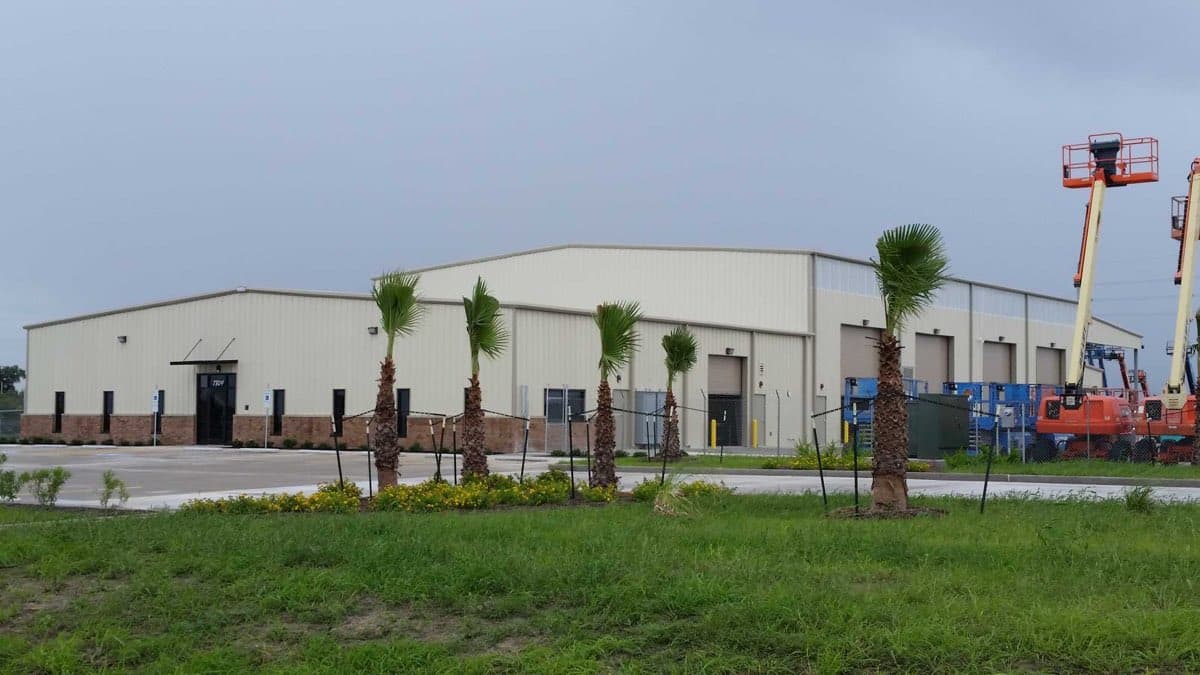
Warehouse Construction
Ground-up and expansion warehouse builds designed for BNSF/UP intermodal connectivity, Cd. Juárez maquila supply chains, and the El Paso/Santa Teresa logistics corridor.
Open Service
Industrial Construction
Industrial facility construction for maquiladora-support manufacturing, Fort Bliss defense logistics, and Borderplex process environments where sequencing and safety compliance are non-negotiable.
Open Service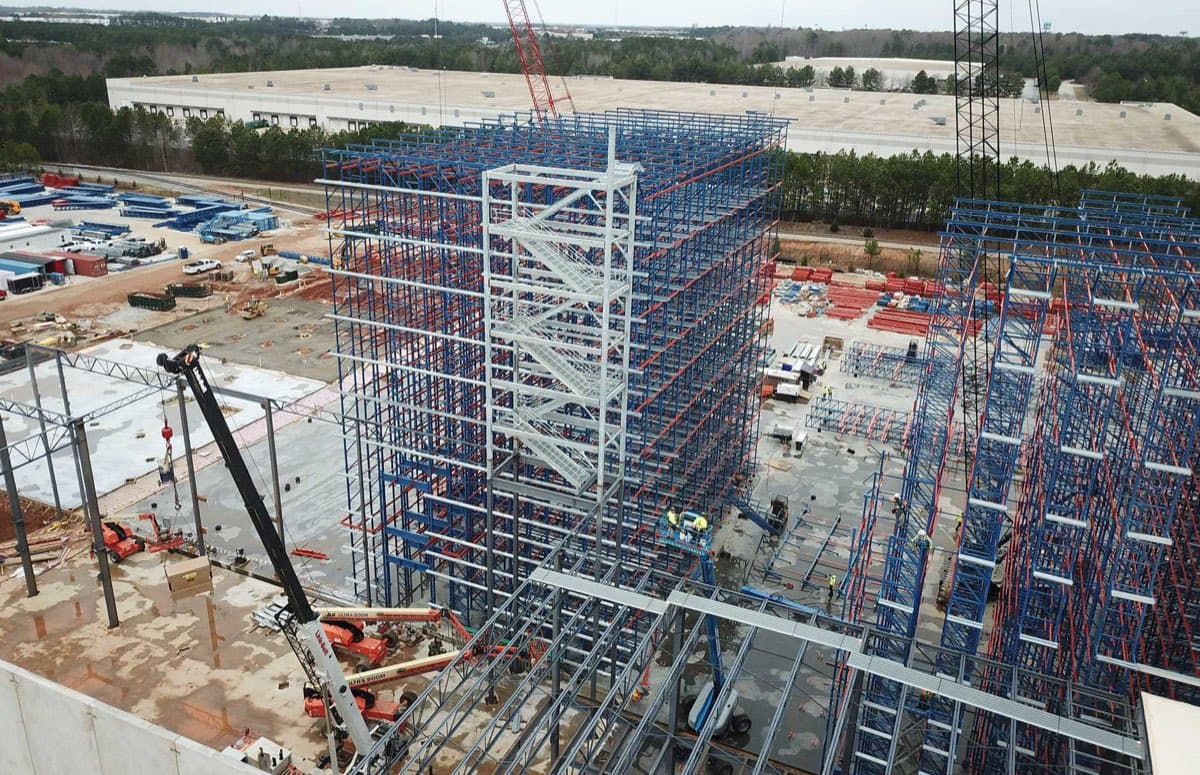
Commercial Construction
Commercial general contracting for El Paso's Sun City corridor — from UTEP-adjacent medical office to West El Paso mixed-use redevelopment — with concrete expertise at the foundation of every scope.
Open Service